
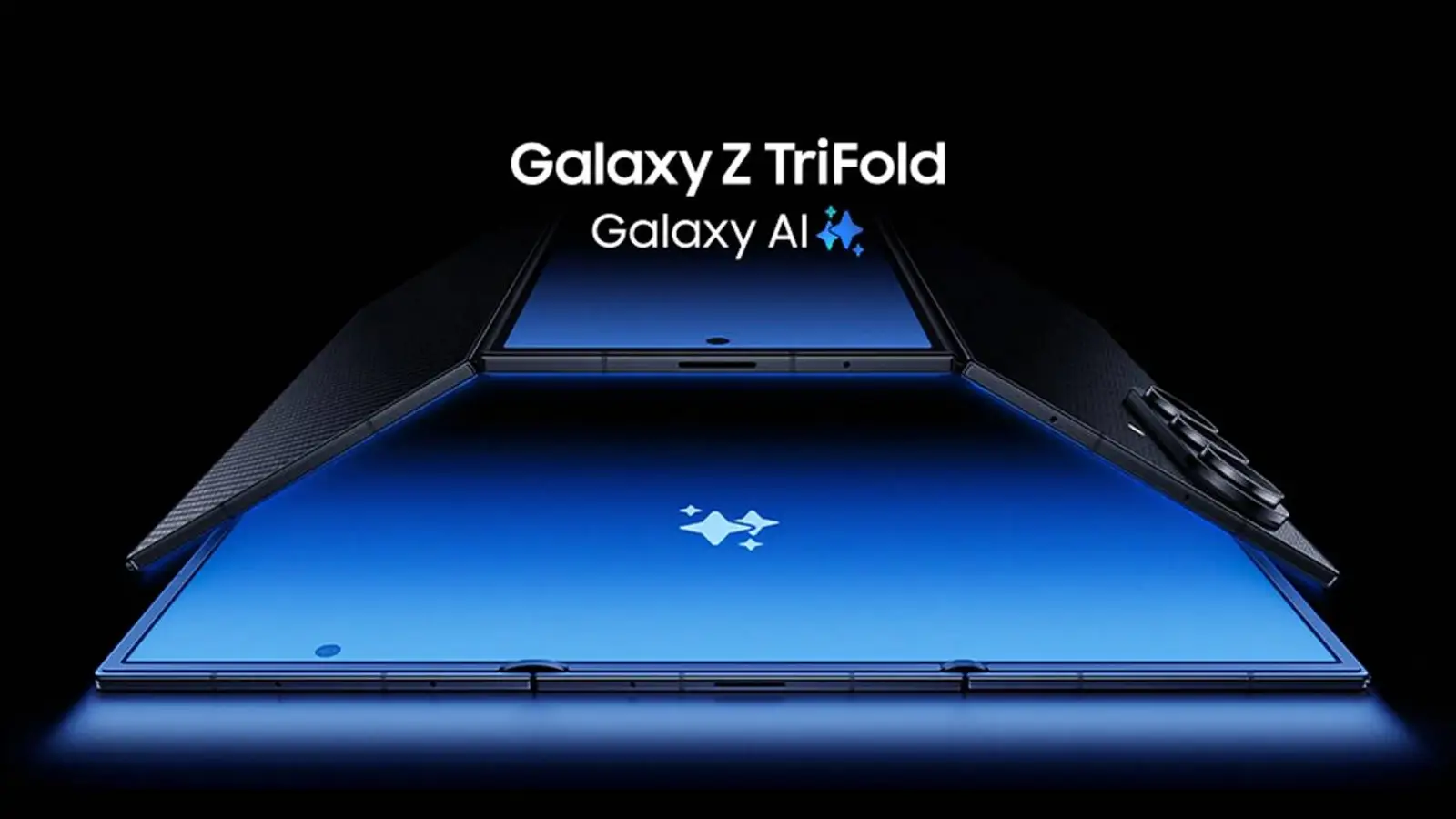
Sales of the Galaxy Z TriFold in South Korea kicked off with a bang: Samsung’s first triple‑folding smartphone sold out within minutes. The price tag didn’t scare off early adopters, and despite its first‑generation status, lines formed at brand stores as dozens waited to pick up the device on day one. The rush suggests that curiosity about new foldable formats easily outweighs caution when the hardware feels genuinely new.
The Galaxy Z TriFold went on sale at 20 major Samsung retail locations for 3.59 million won—roughly $2,436—for the 512 GB model. Local reports say all available units were snapped up almost instantly. Samsung has not shared a restock timeline yet, but it thanked buyers for the strong interest and opened pre‑registration for restock alerts. In the coming weeks, the phone is also slated to reach other markets, including the United States.
While there is no dedicated Samsung Care+ plan for the Galaxy Z TriFold yet, Samsung introduced a promotion offering 50% off a screen replacement. For a device with such a complex new design, that kind of safeguard looks like a pragmatic move, especially given the attention on hinge and display durability.
The smartphone features a 6.5‑inch external OLED panel with a 120 Hz refresh rate, alongside a large 10‑inch flexible OLED display that also runs at 120 Hz. It includes two 10 MP front‑facing sensors, plus a rear camera system built around a 200 MP main sensor with optical stabilization, a 12 MP ultra‑wide with autofocus, and a 10 MP telephoto with 3x optical zoom and stabilization.
Under the hood, the Galaxy Z TriFold runs on the Snapdragon 8 Elite, paired with 16 GB of RAM and 512 GB or 1 TB of storage. It ships with Android 16 and One UI 8.0, with Galaxy AI features on board, and Samsung promises seven major Android updates. A 5,600 mAh battery supports 45 W fast charging. The device also includes stereo speakers, IP48 dust and water protection, a side‑mounted fingerprint reader, and modern wireless standards such as Wi‑Fi 7, Bluetooth 5.4, and UWB.