
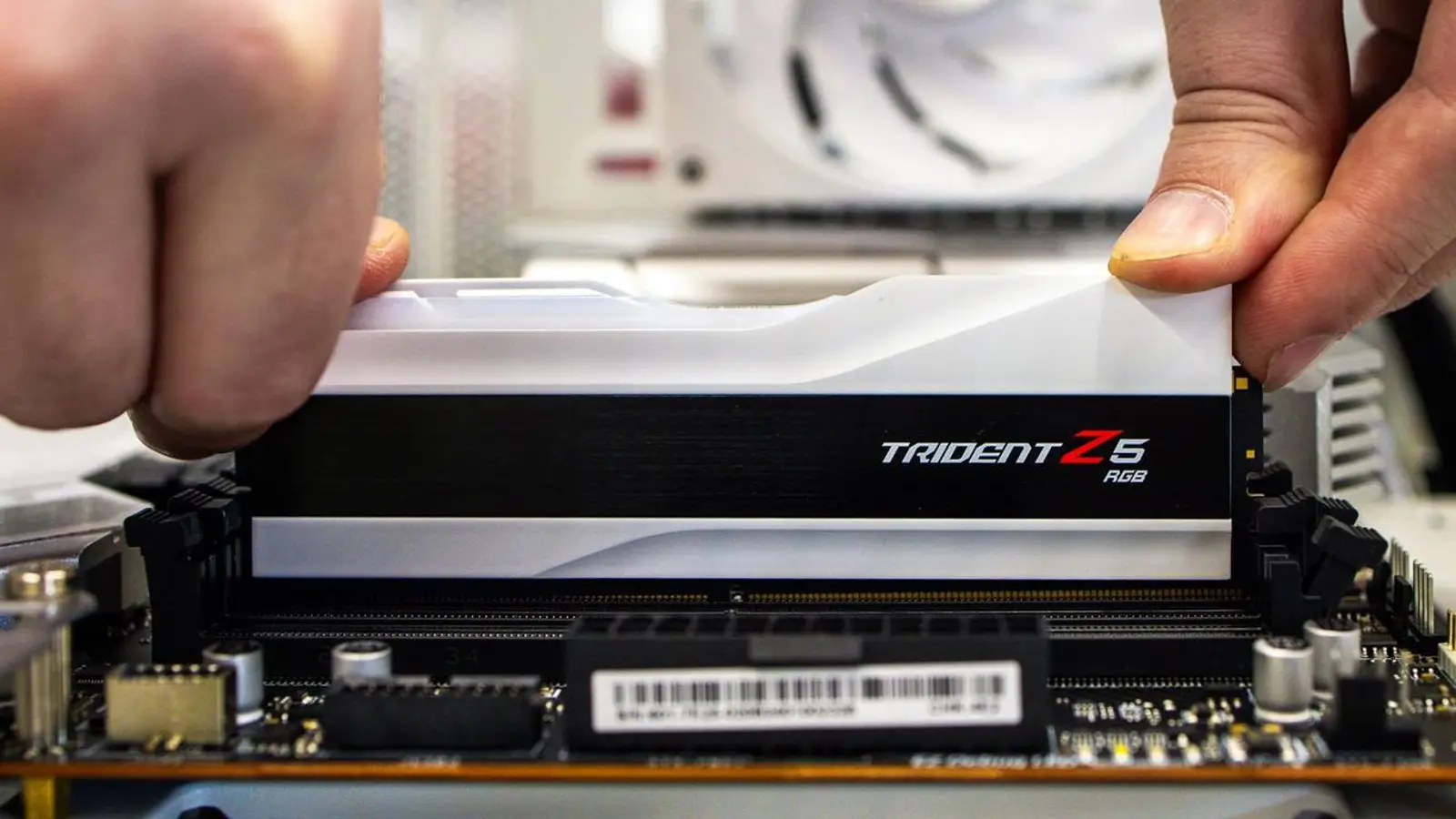
Major PC manufacturers may soon begin using Chinese-made memory chips for the first time on a large scale. According to Nikkei Asia, companies including HP, Dell, Acer, and ASUS are considering purchasing DRAM chips from China's ChangXin Memory Technologies, better known as CXMT. The reason is straightforward and rather painful for the market: a global memory shortage that continues to drive up prices and disrupt the normal launch of new devices.
HP has reportedly started the qualification process for CXMT chips as an additional supply source. The company has not ruled out using Chinese memory for models sold outside the United States if the DRAM market tension persists at least until mid-2026. Dell is also testing the compatibility of Chinese modules, Acer may follow this path through its contract partners in China, and ASUS has already asked local manufacturers to help find alternative memory for specific projects.
If these plans move beyond testing, the market could see an interesting effect. The same laptop model could ship with memory from different manufacturers depending on the sales region or assembly plant. The specifications would remain the same on paper—for example, 16GB of DDR5—but the actual chip supplier might differ. This practice has existed in the industry before, but the DRAM shortage makes it far more noticeable.
For Chinese memory producers, this is a window of opportunity. CXMT, Yangtze Memory Technologies, and other companies have long been trying to establish themselves in the global DRAM and NAND markets, but until now they have remained in the shadow of Korean and American giants. Rising prices and chip shortages could, for the first time, force global brands to seriously consider China as a full-fledged alternative, especially if the cost difference reaches three to four times.
In the end, buyers are unlikely to notice the changes immediately—stores will still list only memory and storage capacities. But behind the scenes, the PC market could start changing much faster than it seems, and Chinese memory might evolve from a temporary measure into a new norm.