
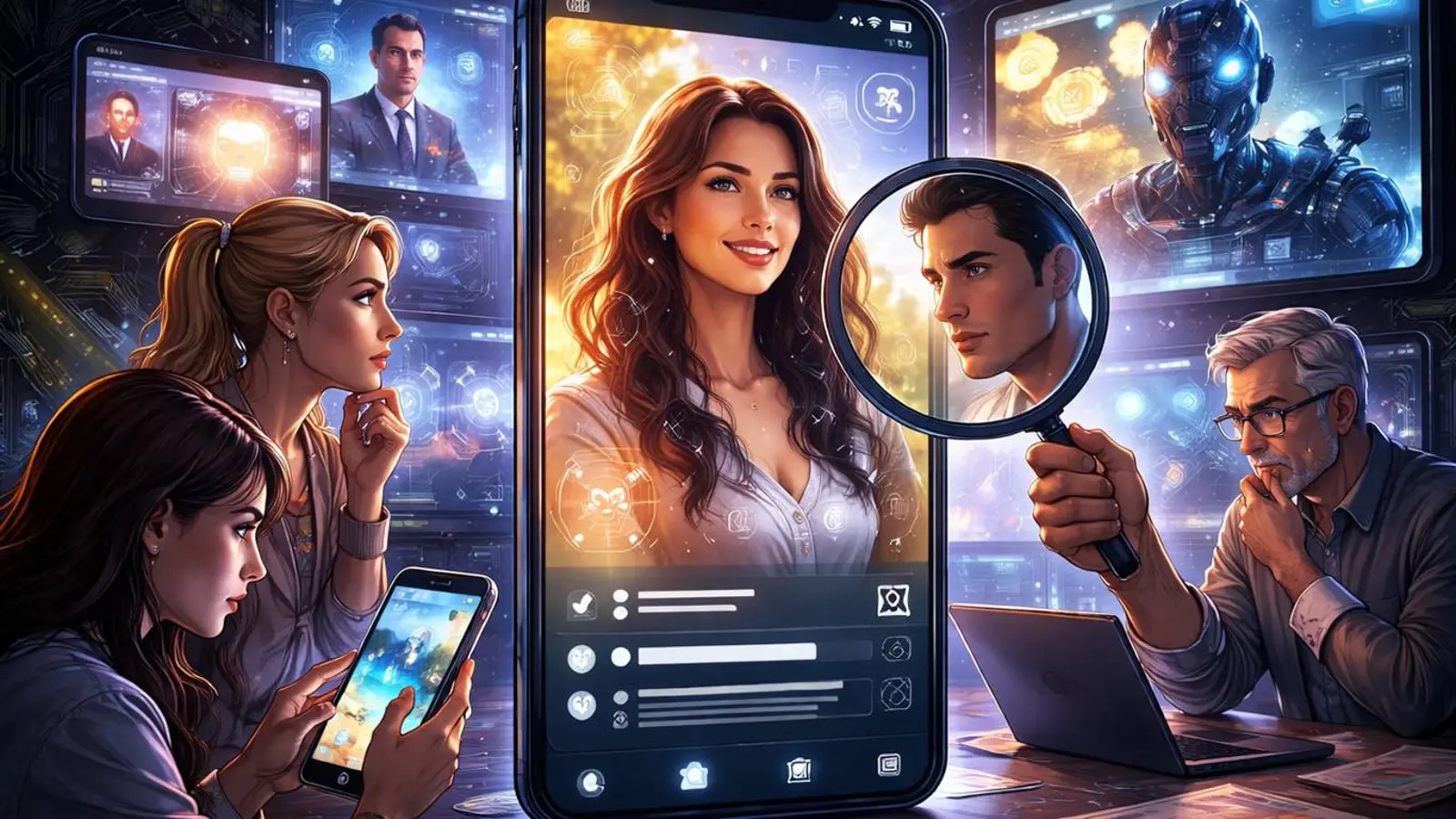
Nearly all American adults have encountered AI-generated content, but far fewer can confidently distinguish it from authentic material. According to a CNET study, 94% of respondents reported seeing AI-generated images or videos on social media. However, only 44% believe they can accurately tell whether they're viewing real footage or algorithmic output.
Most users rely on visual analysis. About 60% of respondents admitted to scrutinizing details in images or videos for inconsistencies. Yet this approach is increasingly unreliable. A quarter of those surveyed use reverse image searches to verify sources, while 5% turn to specialized deepfake detection services. Another 3% simply treat such content as potentially fake from the start.
More than half of participants—51%—consider mandatory labeling of AI-generated materials necessary. Another 21% advocate for radical measures, proposing a complete ban on AI content in social media. Only 11% of respondents see practical or informational value in these videos and images.
The study also revealed that 72% of American adults attempt to verify video authenticity, though critical scrutiny is lower among older generations. As generative models advance rapidly, traditional clues for spotting fakes—like incorrect finger counts—are becoming less relevant. Experts note that trust in digital content is growing increasingly problematic, requiring more systematic solutions from platforms.