
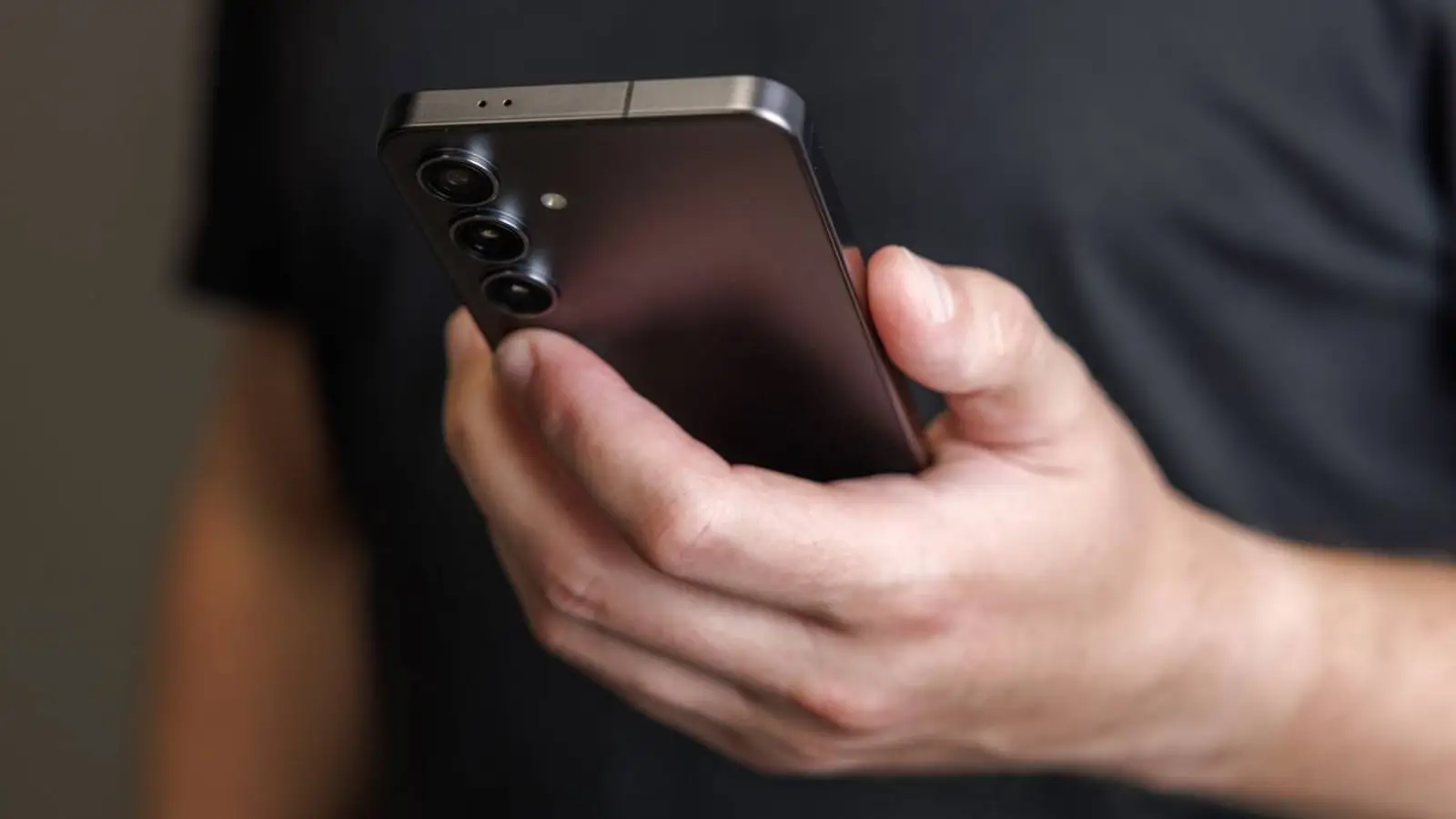
Every year, smartphone manufacturers promise a revolution in mobile photography. They tout more megapixels, brighter lenses, smarter night modes, and new zoom algorithms. Their presentations are impressive, and the promotional photos look vibrant and detailed. Yet when you open your own photo gallery, the difference between last year's flagship and the latest model often turns out to be barely noticeable.
This doesn't mean smartphones have stopped evolving. A modern mid-range device takes better photos than a top-tier model from a decade ago. But the nature of progress has shifted. The leap from bad cameras to good ones was obvious. Today, we're seeing a transition from "good" to "slightly better"—a step that hardly registers in everyday use.
When technology hits reality
For most users, the limiting factors are no longer the sensor or the processor. The main elements are light, the scene, and how the shot is actually taken. Even the most advanced sensor won't fix a dull sky. The sharpest optics won't save a shaky hand. We live in an era where the tool has become good enough, and image quality increasingly depends on the person behind it.
Think back to early smartphones: blurry faces, near-black night shots, useless digital zoom. Today, even basic models from Xiaomi, Huawei, and other brands confidently capture images at dusk. The major flaws are gone. What remain are nuances.
Megapixels versus reality
Higher resolution is one of the favorite marketing arguments. 50, 100, 200 megapixels sound impressive. But in daily life, most photos are viewed on small screens and shared via messaging apps, where files get compressed further. The difference between 50 and 100 megapixels is often only noticeable with heavy cropping or on a large monitor.
Yes, lab test numbers keep rising. Noise levels drop. Yet for everyday photos in a café or on a walk, this rarely becomes a decisive advantage.
Algorithms matter more than glass
In recent years, an important shift has occurred: smartphone photography has become more about software processing. The camera doesn't take a single shot but captures several, merges them, adjusts lighting, skin tones, contrast, and saturation. Apple, Samsung, Google, and major Chinese brands are actively developing this approach.
As a result, two phones with similar hardware can produce completely different images. One might render a warmer photo, another might lift shadows, a third might smooth skin. Photography becomes a matter of algorithmic taste. Sometimes the result looks striking on screen, but on closer inspection appears overly processed.
"Good enough" is the new normal
There's a simple rule in tech development: early improvements deliver huge leaps, while later ones offer diminishing returns. The difference between 5 and 12 megapixels was obvious. Between 48 and 64, it isn't.
Sensors and lenses can't grow indefinitely in size, because users want slim devices. Manufacturers balance compactness with quality. So progress comes in small steps: a bit more light, a bit less noise, slightly better zoom. These improvements accumulate but rarely feel revolutionary.
Why a flagship isn't always necessary
Today, many people use a smartphone for three or four years without a serious drop in photo quality. A new model might be better, but the old one still takes decent shots. Extra modules—ultrawide, periscopic, macro—look impressive, but in real life, most people stick to the main lens most of the time.
A 10x zoom is useful at concerts, macro is fun for experiments, but everyday shots are of people, food, pets, and quick scenes. Here, convenience and speed matter more than extreme capabilities.
The main factor is the human
Ads rarely highlight an important truth: light, angle, and timing matter more than specs. A shot taken in soft evening light will look better than one at noon with harsh shadows—regardless of the phone model. Stepping aside can eliminate overexposure; pausing before pressing the shutter can improve composition.
Perhaps we've reached a stage where the best way to improve your photos isn't to buy a new phone, but to learn to shoot better. Understanding how light works, how to choose an angle, how to manage focus. The camera race will continue, but for everyday life, the major leaps are behind us. Today's smartphones take photos that are "good enough" for most tasks. Anything beyond that is a matter of skill, not megapixels.