
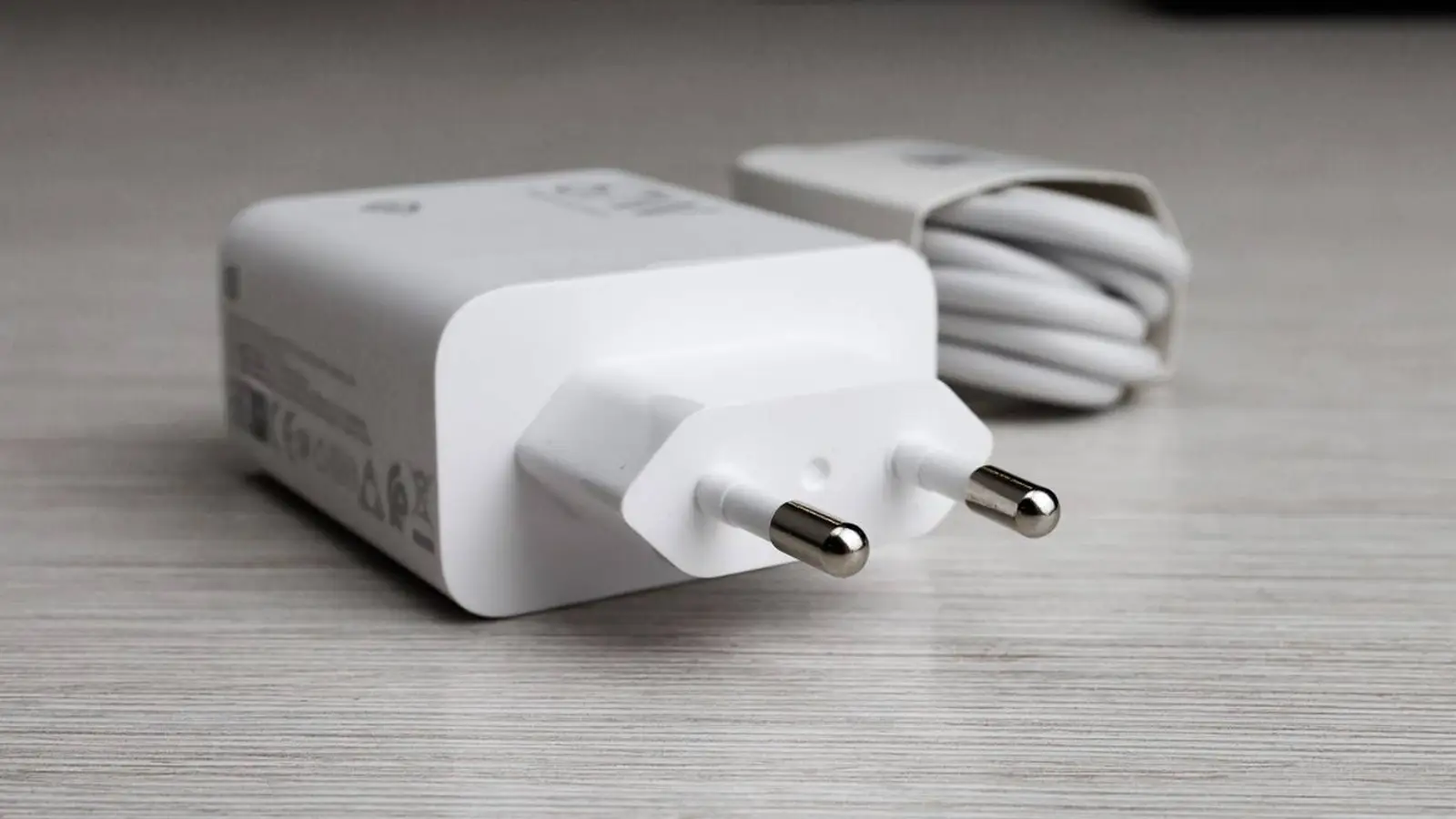
Just five years ago, the idea of a smartphone without a charging port seemed like something from the world of concept devices for trade shows. It looked more like an attention-grabbing stunt than a realistic plan. By 2026, however, this scenario no longer appears far-fetched. In fact, growing evidence suggests the industry is gradually preparing for a future without the familiar USB-C port.
The shift isn't happening loudly or revolutionarily. Manufacturers aren't announcing the 'death of the port' from a stage. Instead, they're quietly advancing magnetic charging, increasing battery capacity, and creating accessory ecosystems that attach to the device body rather than plug in via cable. This is typically how genuine technological transitions unfold.
Magnetic Charging as the New Infrastructure
When Apple introduced MagSafe, many viewed it as a convenient add-on. Over time, however, it became clear this was more than just a way to neatly place a phone on a charging pad. The magnetic ring has evolved into the physical foundation for an entire accessory ecosystem: external batteries, cooling modules, stands, car mounts, and gaming attachments.
Android manufacturers aren't standing idle either. Magnetic wireless charging is gradually appearing in flagship models, accompanied by accessories with 'snap-on' attachments. Even top-tier devices like the Galaxy S26 Ultra already offer magnetic charging systems. As a result, the traditional charging port is starting to look less like an essential component and more like a relic.
From a manufacturer's perspective, the magnetic ecosystem holds greater appeal. USB-C is a universal standard, allowing anyone to produce compatible cables. Magnetic systems, by contrast, create a controlled environment tied to a specific brand and its accessories. Once wireless charging speeds approach wired levels, the difference will become negligible for most users.
Practical Reasons to Abandon the Port
The charging port is one of a smartphone's most vulnerable components. It collects dust, becomes loose over time, and can oxidize. Service centers regularly encounter failures in this area. Removing the port eliminates one of the most common sources of device problems.
Water resistance presents another consideration. Every opening in the chassis complicates sealing. Without a port, the construction becomes simpler, and protection against water and dust becomes more reliable. This matters especially in an era when users expect maximum durability against environmental factors.
Finally, internal space is now at a premium. Batteries are growing in volume, and technologies like silicon-carbon cells enable higher energy density, but every millimeter still counts. Modern processors generate increasing heat, requiring more advanced cooling systems. By removing the port, engineers gain additional flexibility in component layout.
Regulators, Standards, and Unexpected Loopholes
The European Union achieved USB-C standardization to reduce electronic waste. But what happens if a smartphone has no physical port at all? A fully wireless device technically bypasses the mandatory USB-C requirement. This creates an interesting legal twist and makes the future even less clear-cut.
Apple already abandoned Lightning in favor of USB-C under regulatory pressure. Yet rumors about a portless iPhone continue to surface. For the company, this could represent a way to maintain exclusivity and strengthen its ecosystem without violating formal requirements.
A Gradual Fade, Not a Sudden End
This doesn't mean USB-C will disappear tomorrow. Wired charging remains faster, more efficient, and generates less heat. For professionals and gamers, it continues to offer a practical solution. But the direction of travel is evident.
Most likely, the port won't vanish due to one dramatic announcement. Instead, it will gradually phase out—first from experimental devices, then from the premium segment, and later from mass-market models. The key change isn't merely removing a hole from the chassis, but shifting from universal standards toward closed ecosystems.
Magnetic charging is becoming infrastructure, not just a feature. And once that infrastructure matures and reaches sufficient speed, the need for a physical port will simply fade away. The port won't be 'killed'—it will just become unnecessary.