
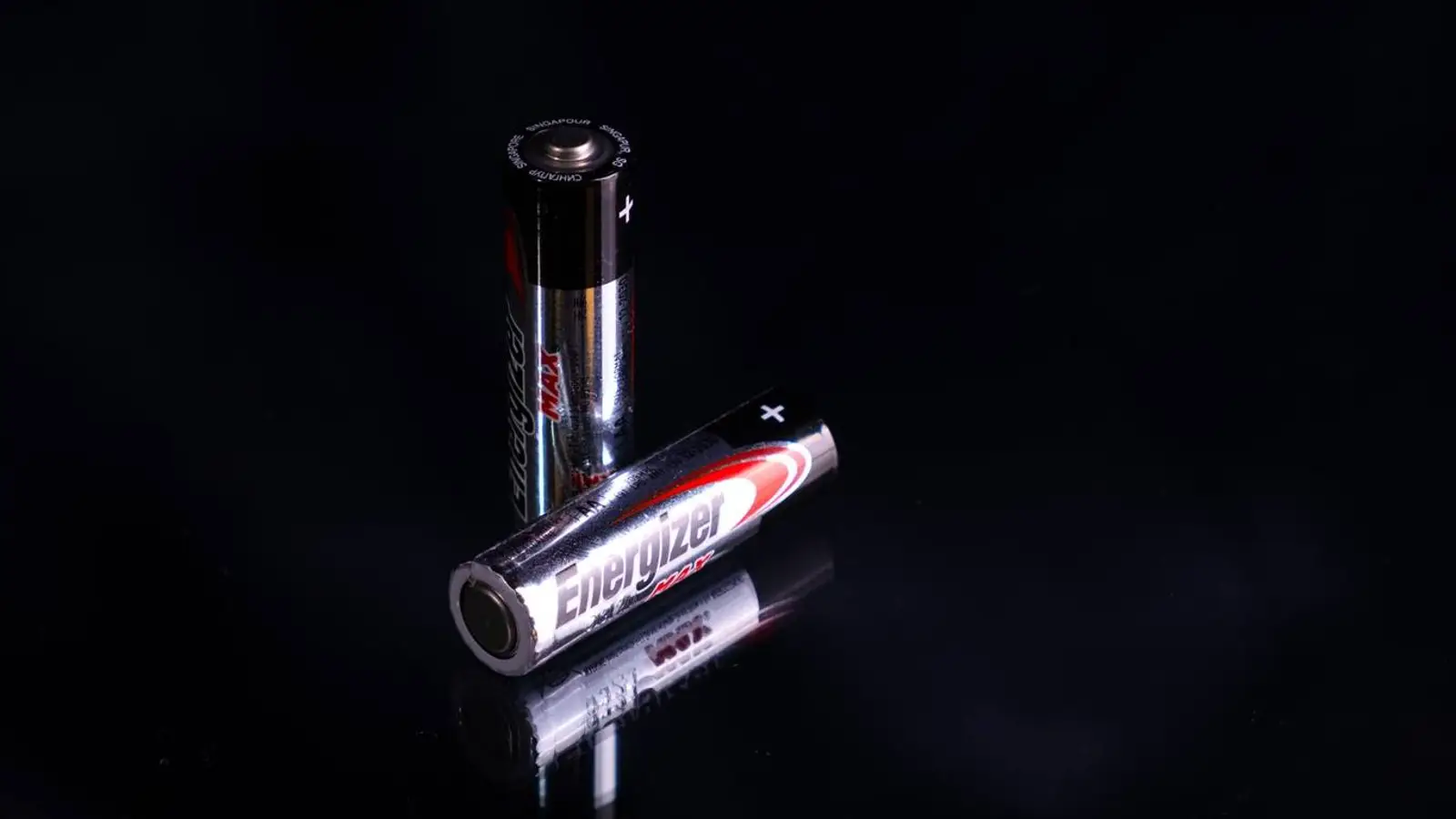
Researchers from the City University of Hong Kong and the Southern University of Science and Technology have unveiled a prototype eco-friendly battery system based on water. Unlike traditional batteries that rely on harsh acids and alkalis, this new design uses a neutral electrolyte with a pH of 7, which virtually eliminates internal corrosion and reduces environmental risks during disposal.
The electrolyte consists of magnesium and calcium salts—minerals commonly used in the food industry. The negative electrode is made from a synthesized organic polymer with high conductivity, capable of efficiently storing divalent ions. The positive electrode is based on an analog of Berlin blue. This combination enables stable operation without toxic components.
During testing, the battery demonstrated a voltage of 2.2 volts and a specific energy capacity of 48.3 Wh per kilogram, accounting for the mass of the electrodes and electrolyte. The most impressive figure was its durability: the device endured 120,000 charging cycles at 20 A/g without significant degradation. With daily charging, the theoretical lifespan could exceed 300 years—far longer than modern batteries rated for a few thousand cycles.
The developers emphasize that the materials used pose no serious environmental hazard and meet international disposal standards. However, bringing it to market will require addressing challenges in scaling up production of the organic polymer and boosting energy capacity in compact sizes. If these hurdles can be overcome, the technology could form the basis for a new generation of safe and ultra-long-lasting energy sources.