
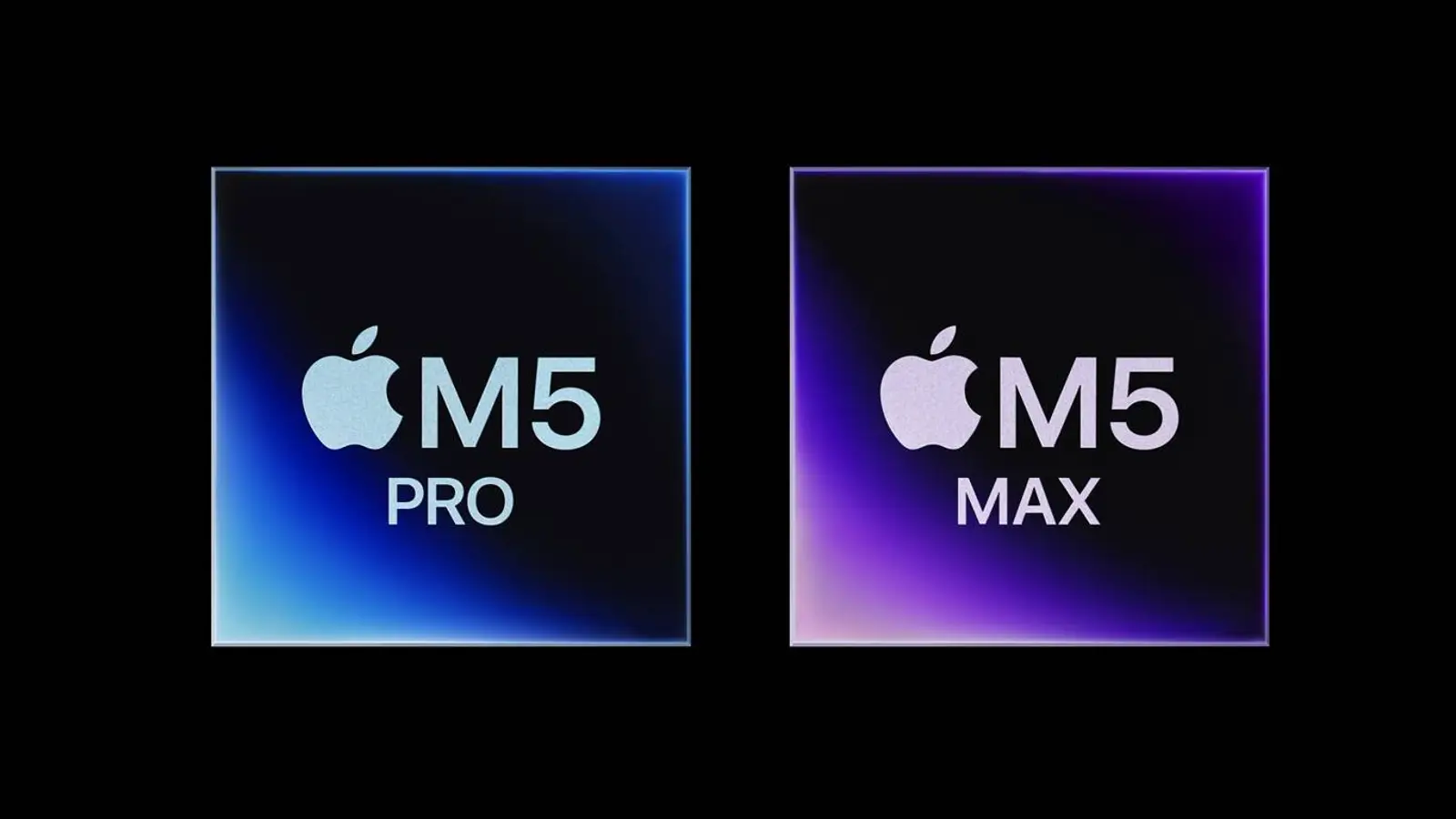
Alongside the announcements of the M5 Pro and M5 Max, Apple introduced new marketing terms. One of these is Fusion Architecture, which refers to using multiple silicon dies connected via a high-speed interface. Other manufacturers have long employed a similar approach, but for Apple, this is a relatively new packaging technology. More attention, however, was drawn to another term: "super cores."
In the M5 lineup, the company has moved away from the traditional division into performance and efficiency cores. Now, the standard M5 includes "super cores" and efficiency cores, while the M5 Pro and M5 Max combine "super cores" with new "performance cores." Apple has effectively acknowledged that "super cores" are the previous performance cores, renamed without architectural changes.
The M5 Pro and M5 Max each use six "super cores," which is fewer than the number of performance cores in the previous M4 Pro and M4 Max generation. Additionally, these chips feature 12 new "performance cores" that are distinct from the older efficiency cores. Apple describes them as optimized for energy-efficient multi-threaded workloads in professional tasks, though technical details remain limited.
Overall, the standard M5 pairs "super cores" with efficiency cores, while the higher-end versions combine "super cores" with new "performance" cores. This terminology shift appears to be an attempt to emphasize high single-threaded performance, even though it essentially involves renaming existing solutions.
In practice, the chips themselves likely deliver a significant performance boost compared to previous generations. However, the use of new names without major architectural changes has raised questions about where the line lies between technical innovation and marketing language.