

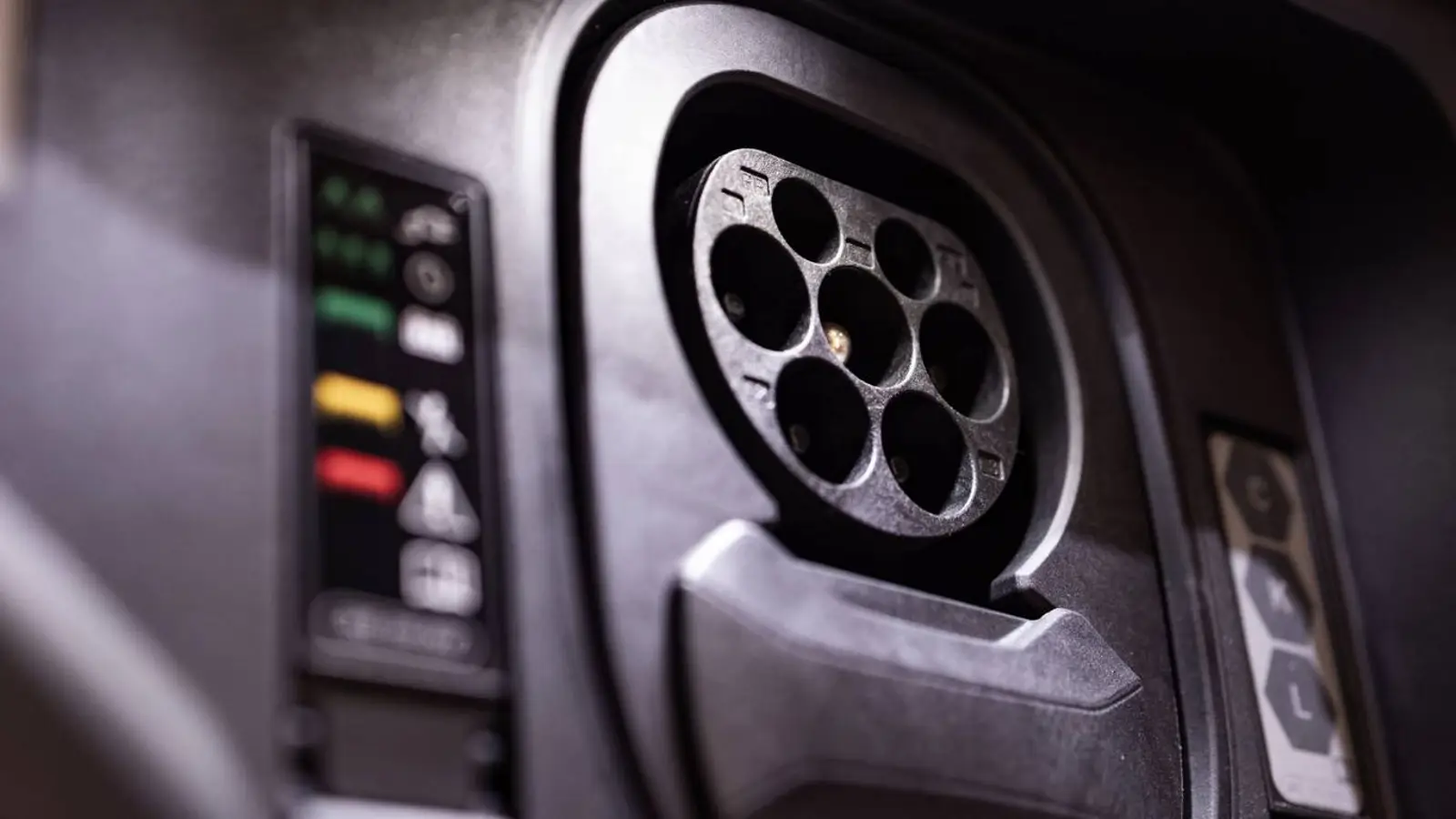
Chinese battery manufacturer CALB has unveiled a new solid-state battery with a capacity of 60 Ah, which could significantly boost electric vehicle efficiency. According to the company, this type of battery can nearly double the range on a single charge, but cost remains a major barrier to widespread adoption.
Developers state that the new battery's energy density exceeds 450 Wh per kilogram—roughly twice that of modern lithium iron phosphate batteries, including BYD's Blade 2.0 line. However, the price of these cells is also about double.
Currently, producing solid-state batteries costs around 12 cents per watt-hour, while conventional liquid electrolyte batteries cost less than 6 cents. For context, a standard 100 kWh battery pack might run about $5,800.
Despite the high cost, the technology offers several key advantages. The new cell is lighter and takes up less space than traditional batteries of similar capacity. This is achieved through the use of a sulfide solid electrolyte, a high-nickel cathode, and a silicon composite anode.
This design improves energy density, enhances safety, and helps the battery perform better in cold temperatures. Company data shows the battery can retain up to 90% of its capacity even in chilly conditions, whereas conventional batteries might lose up to 40%. Another benefit is fast charging: the solid-state battery supports 6C+ charging, which in theory allows a full charge in about ten minutes.
Enhanced safety is also considered a major advantage of the technology. Unlike regular batteries, there's no liquid electrolyte that could ignite if damaged. The battery has already undergone puncture, pressure, and high-temperature tests under China's new solid-state battery standard.
CALB plans to use these batteries in electric vertical takeoff and landing aircraft and robotics, where compactness and high energy density are particularly crucial. Supplies for automakers could begin around 2027.
Meanwhile, other major market players like CATL and BYD are also actively developing solid-state batteries. Experts estimate that mass adoption in electric vehicles might only take off after 2030, when production costs drop significantly.