
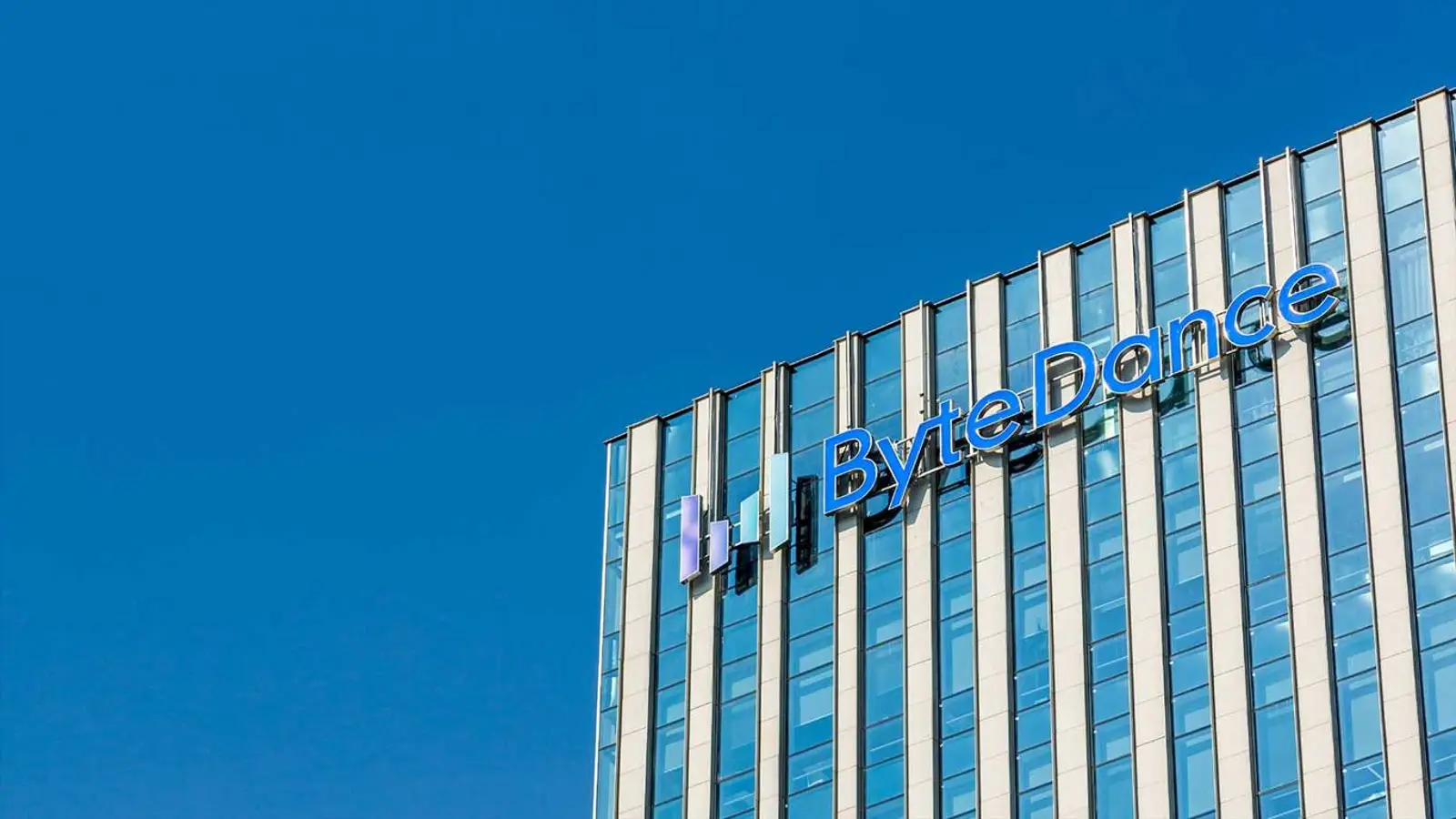
Despite tightening export controls from the U.S., Chinese tech giants continue to find ways to access NVIDIA's advanced AI chips. According to The Wall Street Journal, ByteDance has gained the ability to use the latest Blackwell B200 accelerators through a cloud partner in Malaysia.
After restrictions were imposed on the supply of NVIDIA's top-tier solutions, including the previously popular Hopper H100 and A100, Chinese companies' direct access to the newest hardware was effectively blocked. However, instead of buying chips outright, major players have begun actively renting computing power from overseas providers. In ByteDance's case, this involves collaboration with Malaysian cloud company Aolani, which reportedly holds NVIDIA 'Tier-1' client status and has priority access to shipments.
This arrangement allows Chinese companies to use cutting-edge equipment outside China's borders without technically violating U.S. export rules. Beyond Malaysia, Singapore, Thailand, and the Philippines are also named as locations for renting such capacity—countries not subject to U.S. Bureau of Industry and Security (BIS) restrictions.
Renting computational resources is becoming an increasingly popular model. Rather than purchasing expensive chips, companies are leveraging infrastructure in foreign data centers, creating a new market for intermediaries and cloud capacity operators. While such actions aren't considered direct violations of sanctions, they do call into question the effectiveness of the restrictions themselves.
The ByteDance case illustrates that in the global race for AI technology, prohibitive measures don't always equate to genuine limitations on access to computing resources—especially when international cloud infrastructure steps in to fill the gap.