

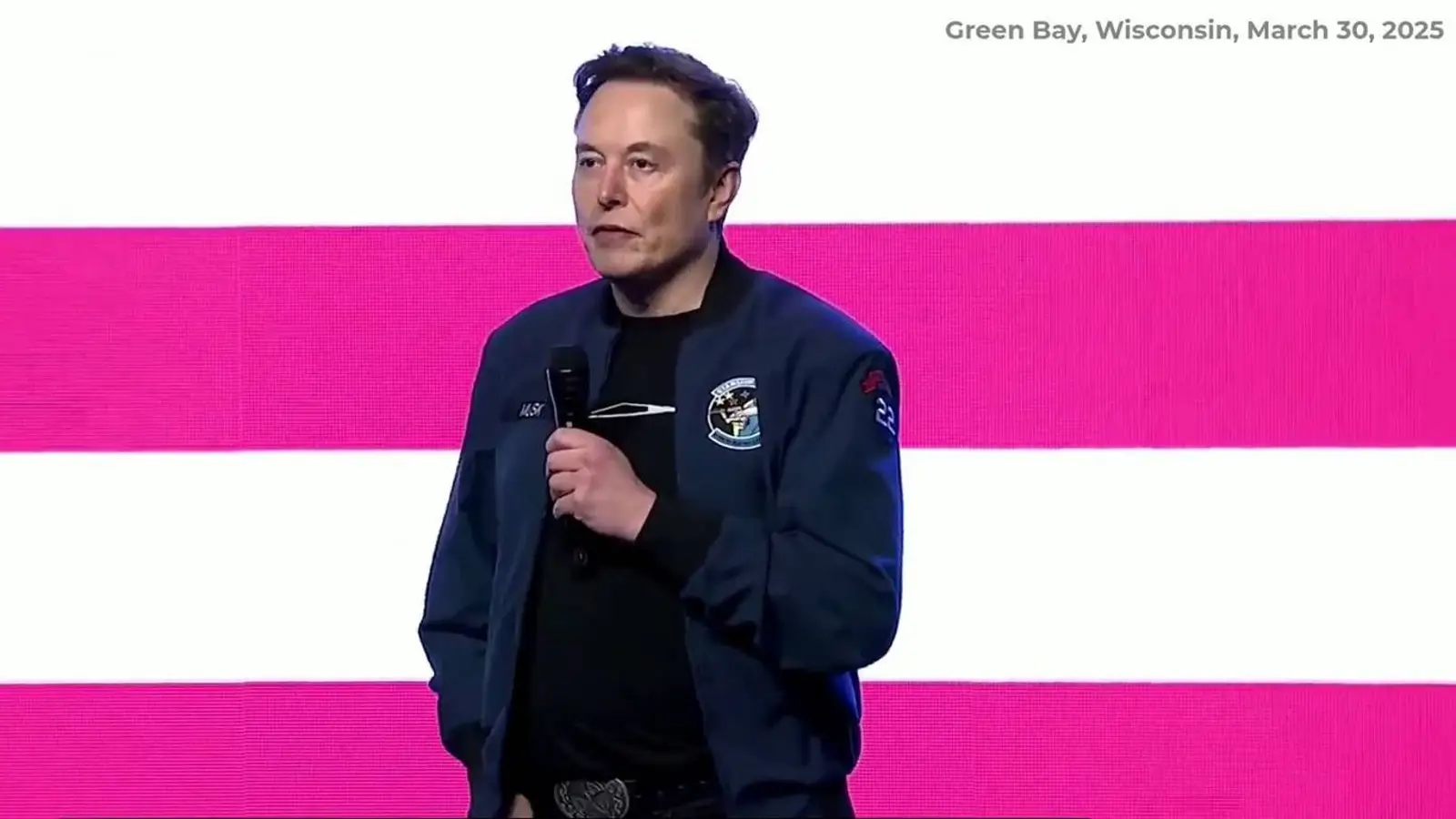
Elon Musk has finally unveiled one of his most ambitious projects—TeraFab, which he describes as the next step toward a "galactic civilization." The Tesla CEO pointed out that Earth currently meets only 2% of the necessary computational power demand, and that's where TeraFab comes in.
The TeraFab project will be located in Austin, Texas, and will combine the efforts of Musk's companies: Tesla, SpaceX, and xAI. Musk emphasized that the facility will surpass all existing chip manufacturing plants. He explained that if you add up the output of all chip factories on Earth, it would amount to just about 2% of what TeraFab can produce.
TeraFab will use a 2-nm process and a "fast, recursive improvement" concept, where chip design, fabrication, testing, and packaging are all performed on integrated lines. Musk added that, to his knowledge, no other facility in the world combines all these stages—from logic and memory development to packaging, testing, mask creation, and enhancement—enabling a closed-loop and extremely rapid chip improvement cycle.
According to Musk, 80% of the plant's computational power will be directed into space, utilizing Starship delivery channels and solar energy. The first major product will be AI5 chips for Tesla FSD, Robotaxi, and Optimus robots, while the remaining 80% of the space-bound computational capacity will be supported by the recently introduced D3 chips, designed to operate in harsh orbital conditions. Musk also acknowledged the role of existing suppliers but noted their limitations.
The project has sparked interest among experts, though many doubt the feasibility of Musk's stated scale, given global demand for lithography equipment and manufacturer constraints. Among the technological solutions being considered is a potential licensing agreement with Samsung for 2-nm chip production, but final details remain unknown.