
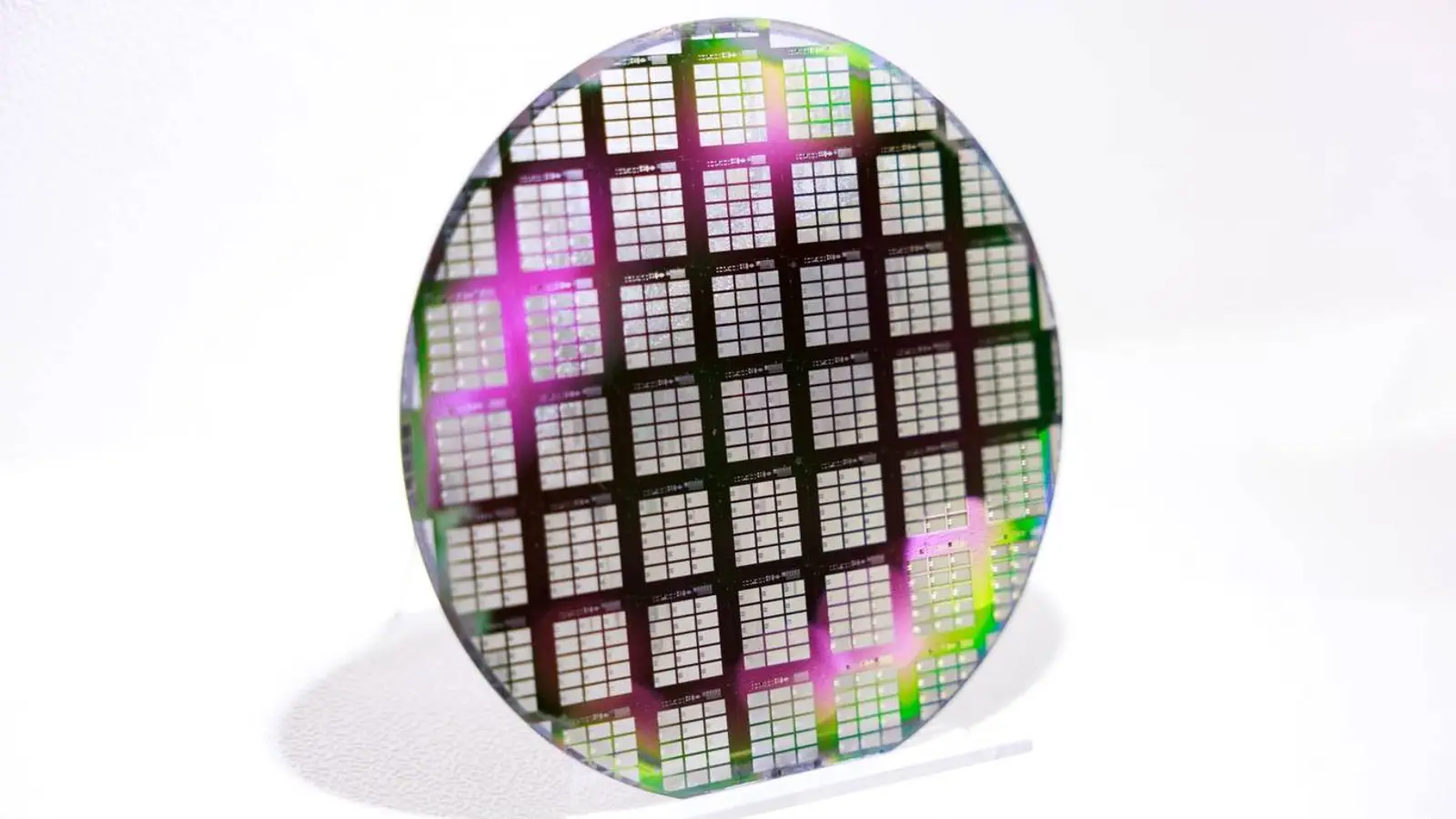
TSMC continues to strengthen its leadership in the semiconductor market, and soon mobile processors could break the 5 GHz barrier for the first time. Thanks to the Taiwanese manufacturer's advanced processes, companies like Qualcomm, MediaTek, and Apple are preparing a new generation of chips with record frequencies, marking an important step in mobile performance development.
The flagship Snapdragon 8 Elite Gen 5 can already boost to 4.61 GHz, while the next Snapdragon 8 Elite Gen 6 Pro is rumored to reach 5.0 GHz. A similar leap is expected from MediaTek: the upcoming Dimensity 9600 Pro should approach the same level, whereas the previous Dimensity 9500 was limited to 4.21 GHz. This frequency increase directly accelerates both single-threaded and multi-threaded tasks.
TSMC plays a key role in this progress, with its technology nodes enabling a combination of high performance and energy efficiency. Chipmakers are actively leveraging these capabilities, gradually approaching a level that was recently considered unattainable for smartphones.
Against this backdrop, Huawei's position appears significantly weaker. Due to sanctions, the company has lost access to TSMC's manufacturing capabilities and is forced to use SMIC factories, which are technologically several generations behind and limited to 5nm processes without modern EUV equipment.
As a result, even the latest Kirin 9030 Pro processor doesn't surpass 3 GHz, highlighting the gap with industry leaders. As long as this situation persists, Huawei will find it difficult to compete with Qualcomm, MediaTek, and Apple, since manufacturing technology remains the decisive factor.