

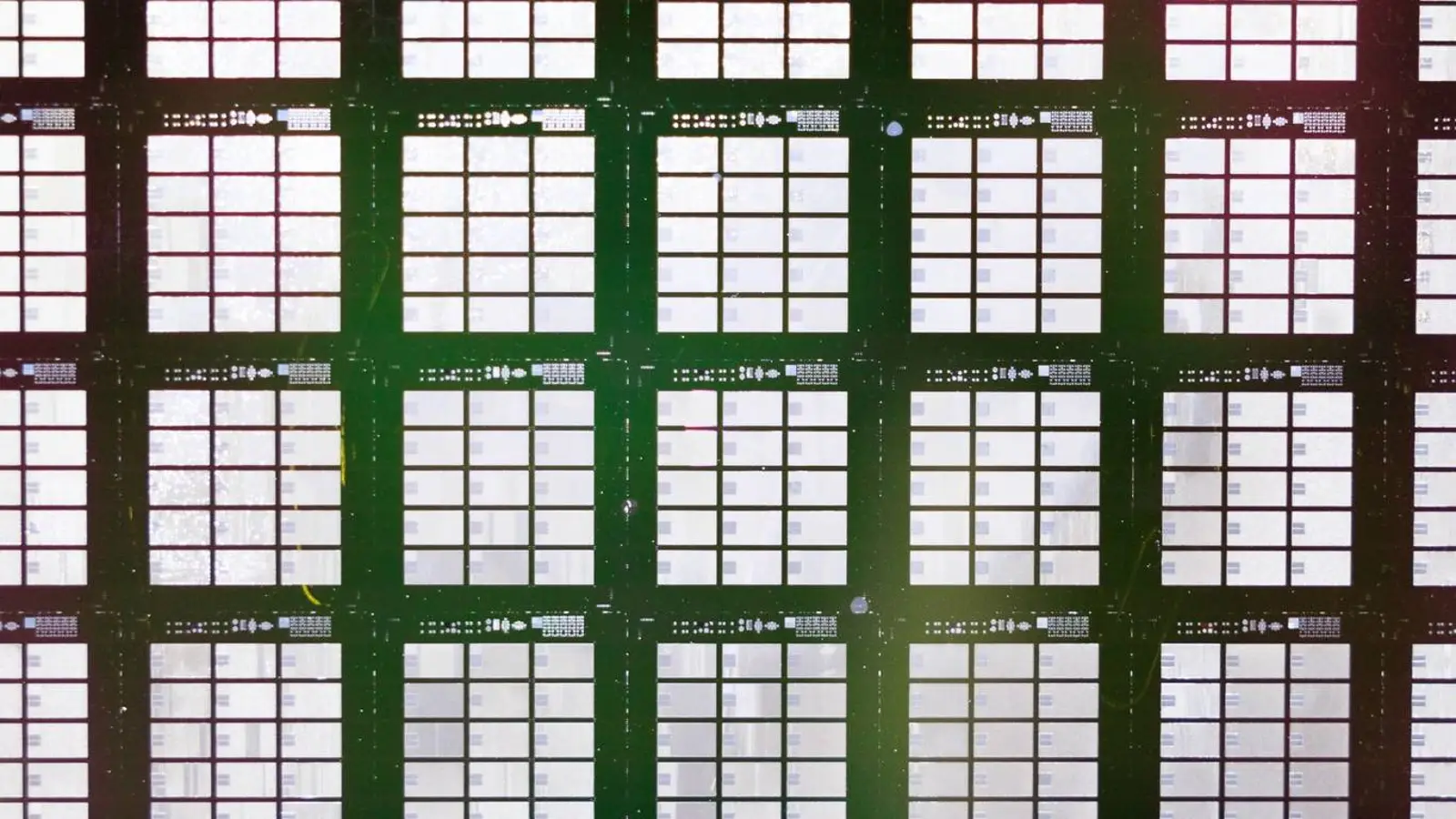
Scientists have unveiled an experimental technology that enables real-time observation of transistor activity inside a central processing unit. While this method offers new capabilities, it also poses potential serious risks to data security.
The technique relies on laboratory equipment—a vector network analyzer—which generates a microwave signal with a specific frequency and phase. This signal is then converted into terahertz radiation and directed at an operating microchip, where it reflects off active transistors.
Reflected signals return to a receiver and are compared with the original values. Slight changes in amplitude and phase allow researchers to detect internal processor activity. To enhance accuracy, the team modified the equipment and used a homodyne detector, which can distinguish extremely weak signal variations against background noise.
A key advantage of this method is its ability to literally "peer inside" a functioning processor, something traditional diagnostic tools have not allowed. This opens new prospects for testing and analyzing complex chips.
However, the technology has significant limitations. Complex multi-layer processors with 3D architectures make it difficult to pinpoint signal sources accurately, and equipment noise can distort results. Experts also warn of a potential security threat: in theory, the technology could allow data extraction during processor operation, bypassing traditional encryption methods.