
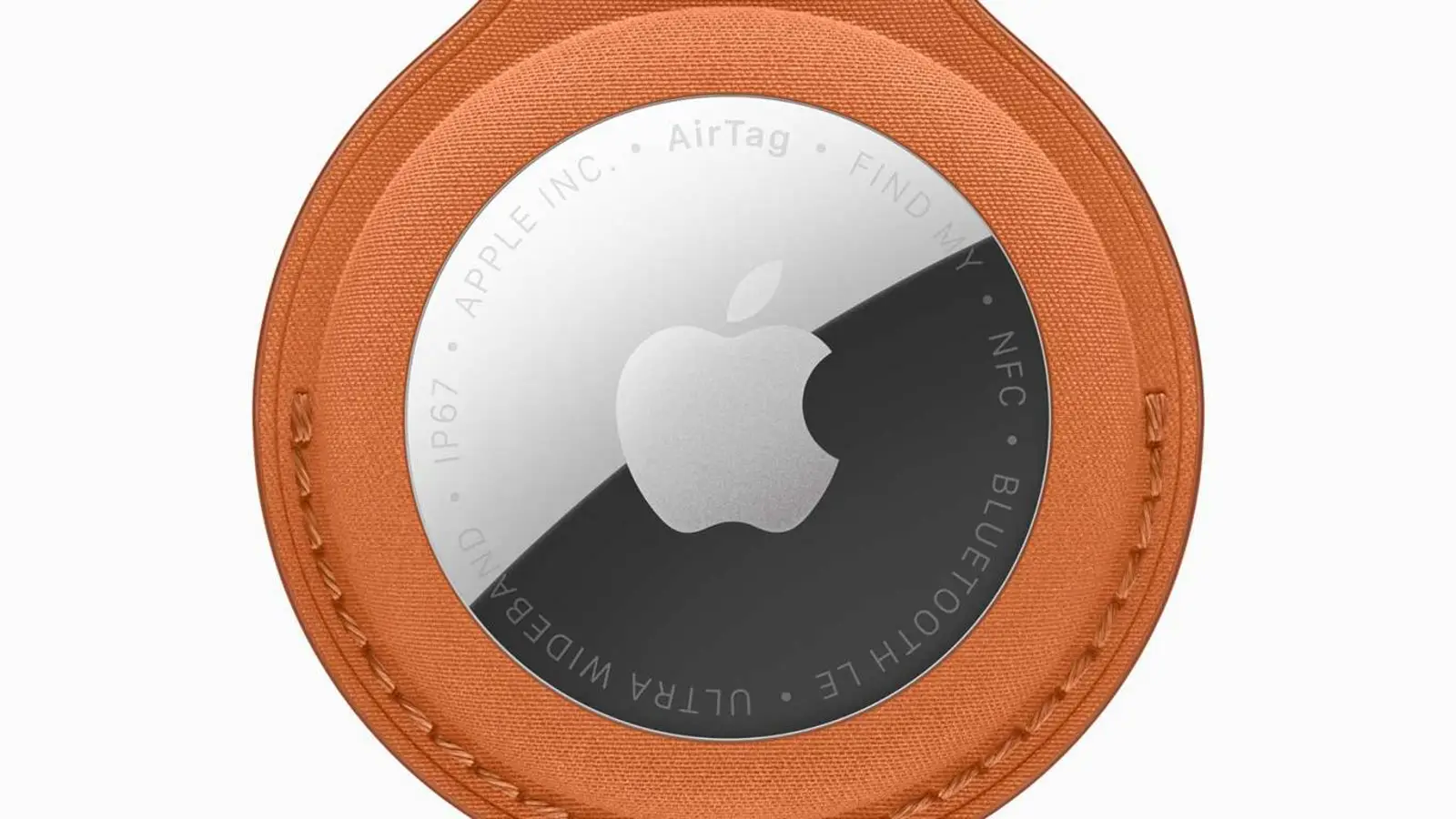
A security incident involving the Dutch frigate HNLMS Evertsen, part of a NATO carrier strike group centered around the French aircraft carrier Charles de Gaulle, has highlighted vulnerabilities in modern military systems. The ship's position was compromised after a standard postcard, containing a hidden Bluetooth tracker, was delivered on board. This event shows how even advanced military operations can be exposed by simple technology.
The experiment was conducted by journalist Joost Vervaart, who followed official Dutch Ministry of Defense guidelines for mailing sailors. By sending a postcard with a discreetly embedded tracker, he was able to monitor the ship's movements for 24 hours. During that time, he tracked its route from Crete toward Cyprus, which could have revealed the location of the entire strike group.
Military personnel discovered the device after 24 hours while sorting mail and promptly disabled it. In response, authorities have tightened regulations: electronic greeting cards are now banned from delivery to ships without prior inspection, as they previously did not undergo scanning like packages. This incident has prompted a review of operational security measures.
Experts point out that such cases are becoming more common as accessible technology spreads. Previous incidents have included data leaks through fitness apps and unauthorized networks on military vessels. Even seemingly harmless actions, like sending a postcard or sharing activity online, can provide critical intelligence sources.