
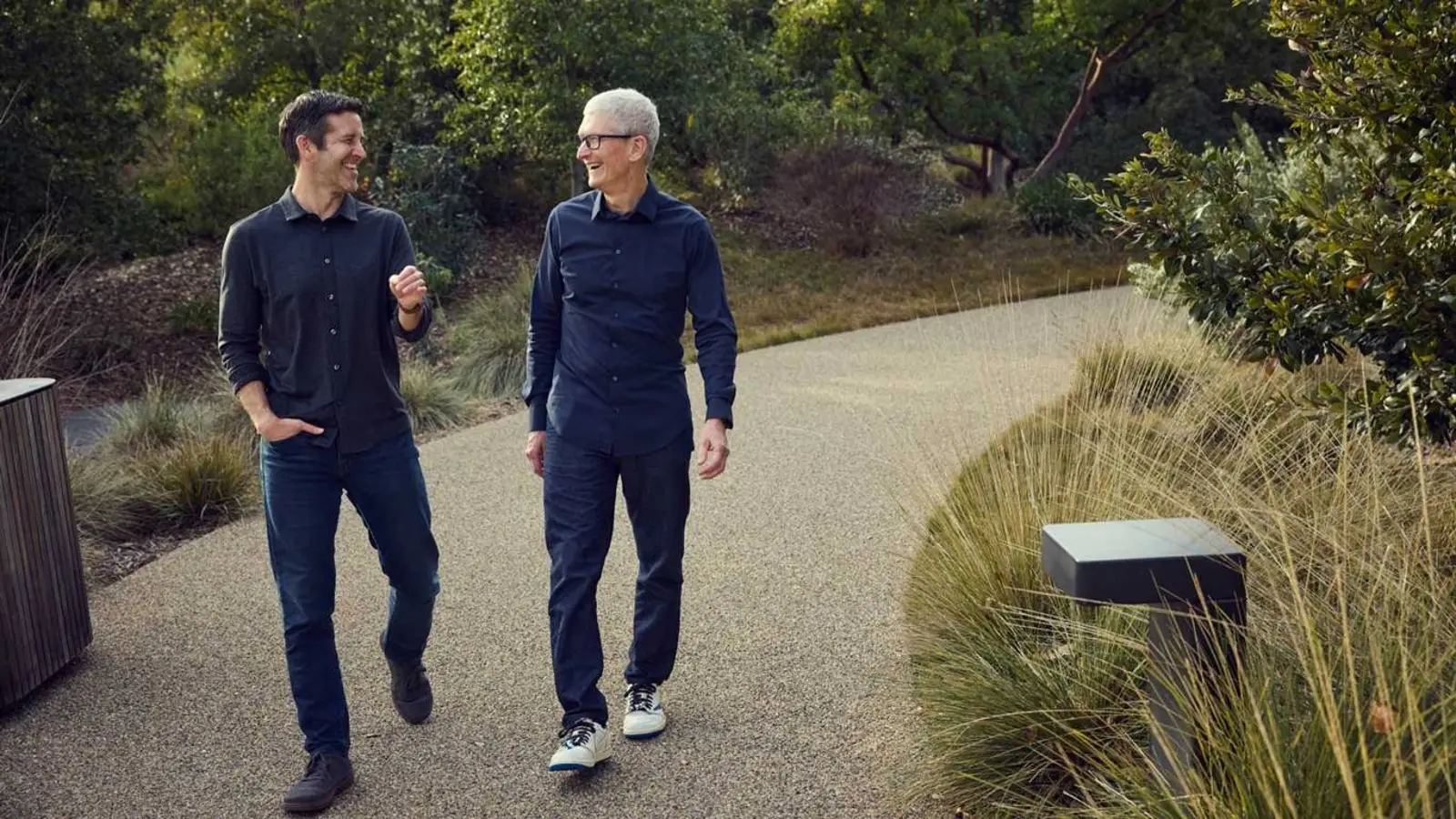
Apple could be poised for a significant shift in how it manages its cash reserves following a leadership change. According to Bloomberg's Mark Gurman, John Ternus—who is set to succeed Tim Cook as CEO—may walk away from the long-standing goal of reaching a net cash neutral position and instead pursue more aggressive investments.
During Tim Cook's tenure, Apple returned massive amounts of capital to shareholders through dividends and stock buybacks. This strategy marked one of the first major departures from Steve Jobs, who tended to hoard cash after Apple's near-bankruptcy experience in the 1990s. Under Cook, the company distributed over $1 trillion to shareholders and saw its market cap climb to several trillion dollars.
Now that strategy could shift again. Gurman notes that many engineers and designers inside Apple have long argued for holding onto more cash to fund large acquisitions, hire top talent, and expand R&D. That stance is especially relevant in the current AI arms race, where rivals are racing to build out infrastructure and pour money into new devices and services.
A clear signal of change came from Apple CFO Kevan Parekh during the last quarterly earnings call. He indicated that the company no longer treats a net cash neutral position as a formal objective and will now assess cash and debt levels separately. While returning capital to shareholders remains part of the broader strategy, Apple now has more flexibility in how it deploys funds.
Apple is still running a $100 billion share buyback program, but analysts see room for the company to gradually scale back those payouts. That, in turn, could pave the way for bigger deals than it has pursued in the past. To date, Apple's largest acquisition remains the $3 billion purchase of Beats in 2014, though the deal-making ambitions may grow under new leadership.
For Ternus, this pivot makes sense. Unlike Cook, who came from an operations background, Ternus has deep roots in Apple's product and engineering teams. In a moment when Apple needs to close the gap in AI and ready the next generation of hardware, spending flexibility might well matter more than the old focus on predictable shareholder returns.