
The ambitious Terafab project, first revealed by Elon Musk, could be among the most expensive in semiconductor history. Based on Texas court hearings, the initial phase carries a price tag of $55 billion, but full deployment could push the total to $119 billion.
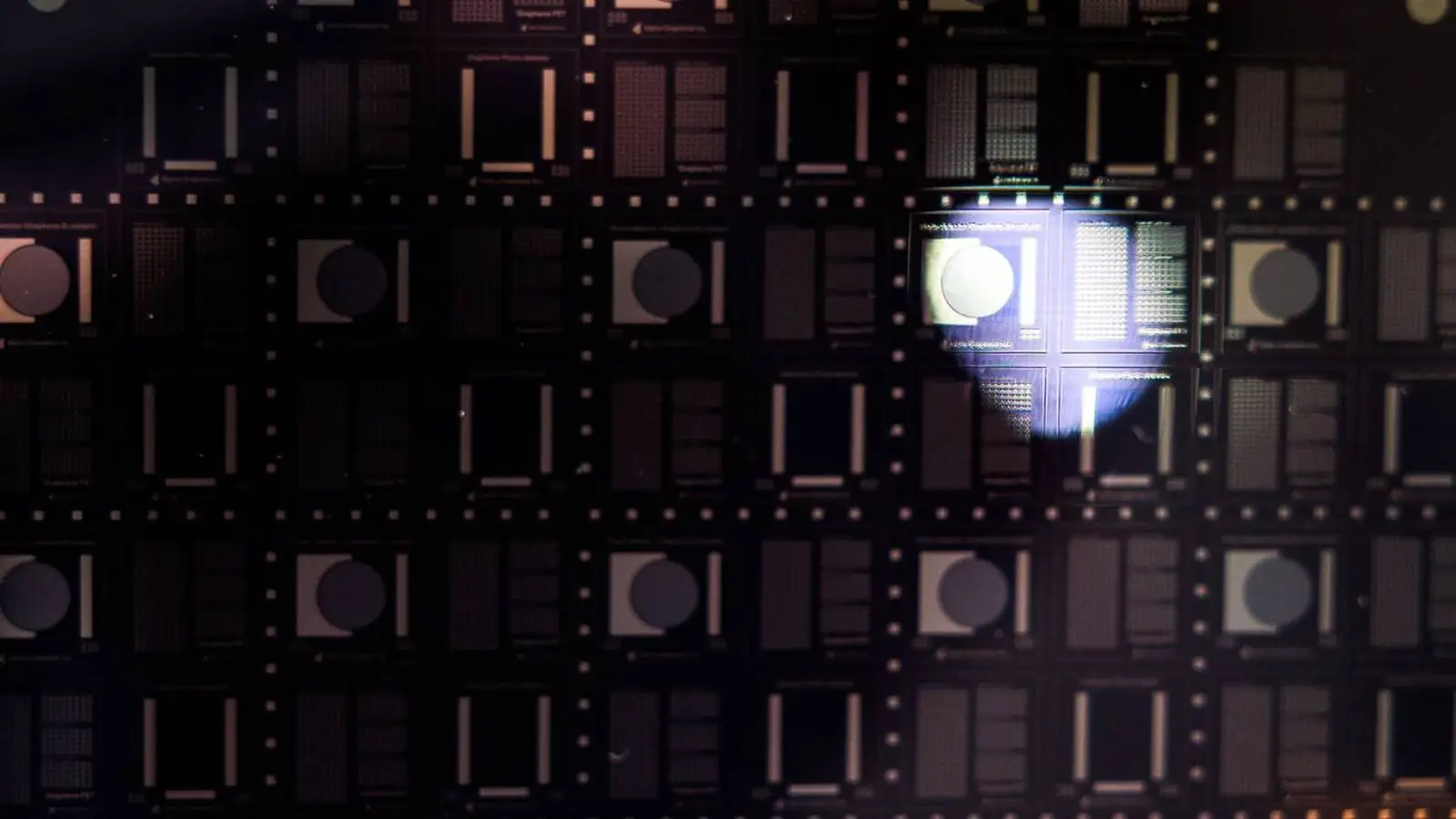
The project is slated for a site next to Tesla's Austin campus. The core concept is to consolidate the entire chip production cycle in one location. Instead of the traditional model where different stages are distributed across companies and countries, Terafab is designed to cover everything: from logic and memory fabrication to packaging, testing, and even photomask production.
That could dramatically accelerate chip development. Engineers could test and tweak designs far more quickly, eliminating long delays between fabrication stages. In effect, it's a move toward near-continuous manufacturing and prototyping.
But the cost is staggering. To put that in perspective, a single modern fab for sub-3nm processes already runs over $20 billion—and that's just one piece of the puzzle. Terafab aims to cover the entire process, multiplying the budget severalfold.
Intel is reportedly involved, and Tesla itself is being eyed as one of the first major customers for AI-focused chips. But specifics of the partnership remain under wraps, including which advanced nodes might be used.
Even with deep pockets, the hurdles are formidable. Building this kind of facility from scratch demands both time and access to mission-critical equipment. That means relying on suppliers such as ASML, Lam Research, KLA Corporation, and Tokyo Electron—companies with order books stretching years into the future.
As a result, even under an accelerated timeline, commissioning such a complex is a matter of years, not months. Terafab represents an attempt to fundamentally rethink chip manufacturing, but its success hinges on more than just funding—it requires building an extraordinarily intricate global supply chain.