

Qualcomm and MediaTek are seeing growing financial losses as memory and mobile processor manufacturing costs rise. Analysts say the companies have yet to fully implement the chip reuse strategy that Apple has been employing since the first iPad.
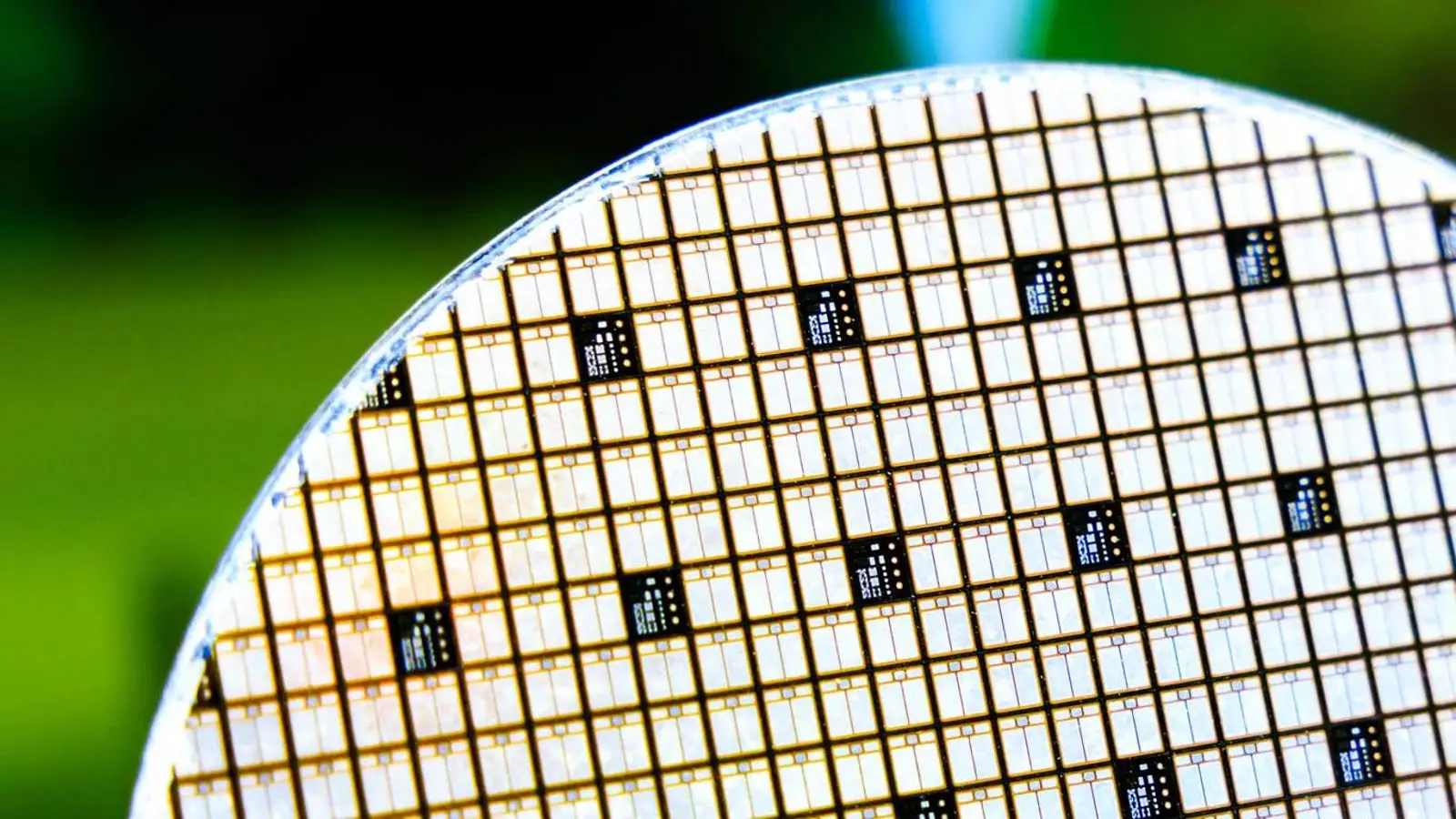
This practice is known as chip binning. Apple has long used processors that didn't make the cut for flagship devices in lower-cost products. That helps the company cut production losses and maximize the efficiency of every silicon wafer.
A recent example is the A18 Pro processor found in the MacBook Neo. The chip has one graphics core disabled versus the iPhone 16 Pro models. Apple took this approach back in the days of the first-generation iPad, the iPhone 4 with the A4 processor, as well as in the Apple TV and HomePod speakers.
With memory costs skyrocketing and 2nm mobile processors expected to become more expensive, Android manufacturers face a tougher situation. Early estimates suggest the future flagship Snapdragon 8 Elite Gen 6 could cost over $300 per chip.
Qualcomm has already begun cautiously adopting this strategy. The company previously introduced a stripped-down Snapdragon 8 Elite with fewer cores. There are also reports that some versions of the upcoming Snapdragon 8 Elite Gen 6 could feature a cut-down GPU and less cache.
MediaTek, on the other hand, has yet to officially reveal any cost-cutting steps like reusing binned chips.
With the DRAM crisis and rising component costs, analysts think Android processor makers will have to more aggressively follow Apple's lead to keep their mobile platforms profitable.