
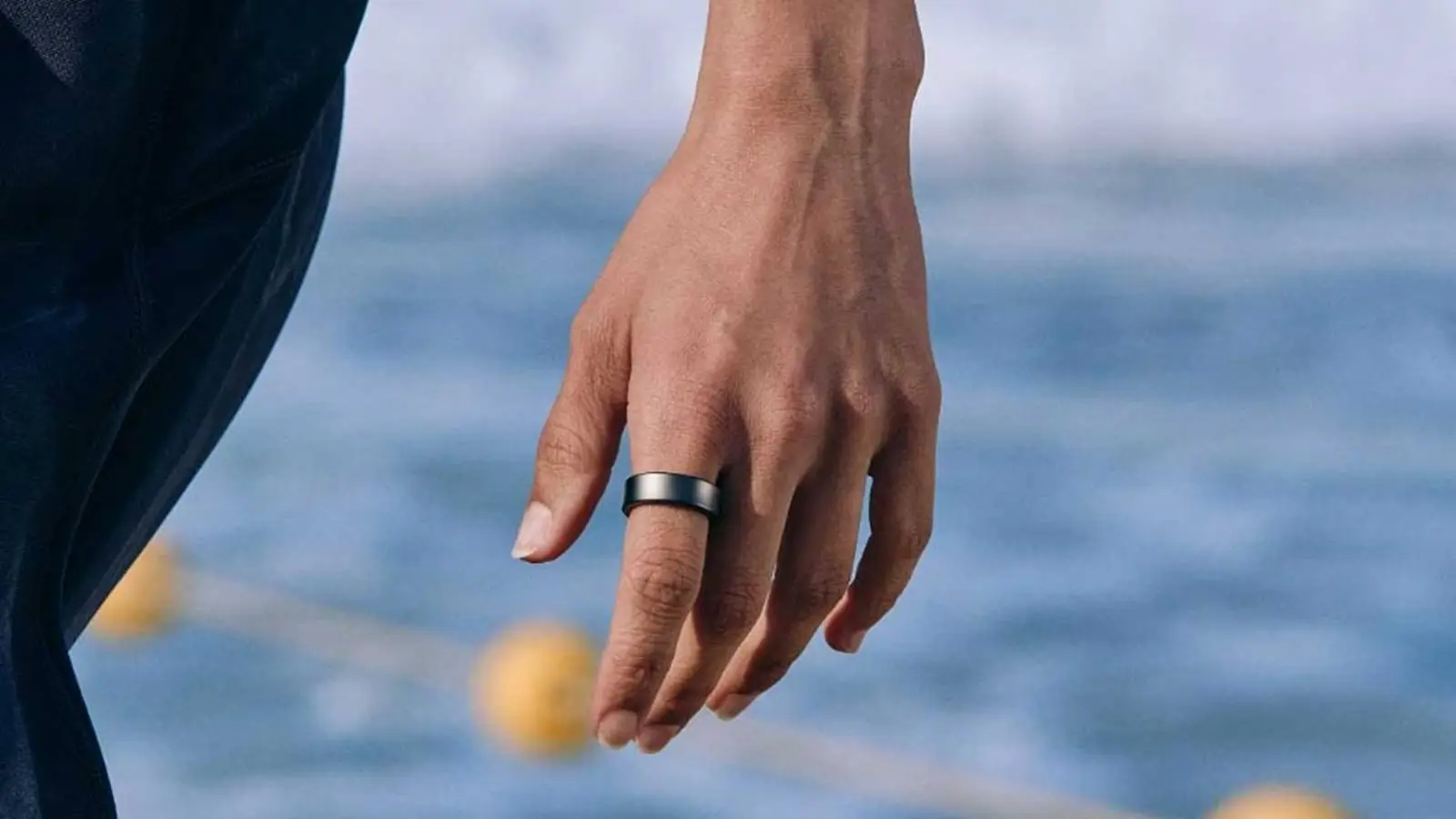
Samsung has confirmed that it is working on the next generation of its smart ring. The company is still not calling the device Galaxy Ring 2, but in practice it is talking about a successor to the first model. A quick launch does not seem likely, though: current reports suggest the release could move to 2027.
Judging by Samsung’s comments, users should not expect a radical hardware redesign. A company representative noted that there is limited room for hardware upgrades in this form factor: most smart rings rely on a similar set of tiny sensors. So the update will probably bring more accurate health tracking, a modest battery-life boost and design refinements, rather than a completely new class of device.
Samsung’s main focus appears to be software, AI and the development of its own health platform. The new ring should become not a standalone gadget, but part of a broader ecosystem. Owners of Samsung smartphones and Galaxy Watch models will likely get the most out of it: data from several devices can be combined to analyze sleep, activity and overall health more precisely.
One particularly interesting point is possible iPhone support. Samsung has not directly confirmed iOS compatibility, but it hinted that it is preparing news Apple users may like. If that support really arrives, it would remove one of the current Galaxy Ring’s biggest limitations, as the existing model is effectively aimed at Android users. At the same time, the company has not ruled out a subscription in the future, although no final decision has been made.
The launch delay may be linked not only to development work, but also to Samsung’s patent dispute with Oura. There are still no reliable leaks, regulatory filings or manufacturing signs of an imminent launch, and media reports also suggest a release this year is unlikely. In short, Galaxy Ring 2 is indeed in development, but Samsung seems to be preparing not a sharp hardware jump, but a tighter integration of the ring into its AI health platform.