
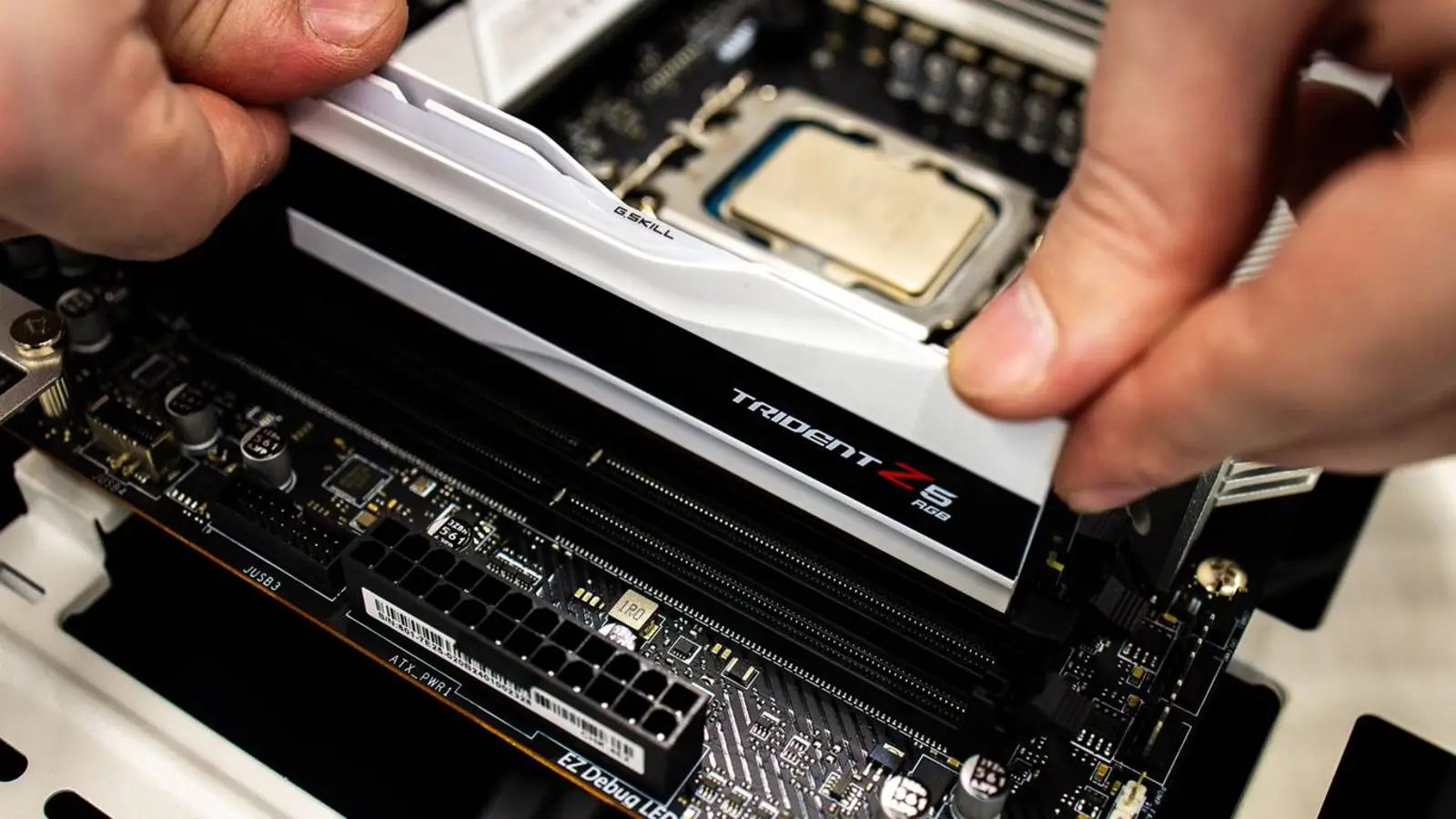
The memory shortage that first hit HBM and DDR5 has now reached DDR4 and DDR3. According to DigiTimes, prices for 8-gigabit DDR4 chips in the third quarter of 2026 could rise by more than 50% compared with the second quarter. Analysts had previously expected only a 10–20% increase, but the market situation has turned out to be much tighter.
The main reason is a shift in production capacity. Samsung, SK Hynix and Micron are increasingly focusing on higher-margin products: HBM for AI servers and Nvidia accelerators, DDR5 for enterprise systems, and LPDDR5X for flagship smartphones. Against that backdrop, DDR4 has become less of a priority, even though demand has not disappeared.
In fact, demand for older memory is growing. Many data centers still run previous-generation servers with DDR4, while enterprise SSDs are increasingly getting DRAM cache to improve speed and endurance. Much of DDR4 and DDR3 production now comes from Taiwan’s Nanya and Winbond, but their output is no longer enough for the market. Samsung’s remaining supply is reportedly mostly reserved for long-term partners.
The market has reached an unusual point: in early July, 4GB DDR3 cost about $3.19 per gigabyte, while 16GB DDR5 was around $2.94 per gigabyte. In other words, older memory has become more expensive per unit of capacity than the newer standard. That is a clear sign of a sharp imbalance between supply and demand.
The price surge will not affect only PC components. DDR4 is still widely used in low-cost and midrange computers, workstations and servers, while LPDDR4 and LPDDR4X remain relevant for some affordable smartphones. Micron recently restarted mass production of DDR4 and LPDDR4 at its Virginia fab, but that is unlikely to close the shortage quickly. Industry estimates suggest elevated prices for DDR5, DDR4 and DDR3 could persist until 2028.