
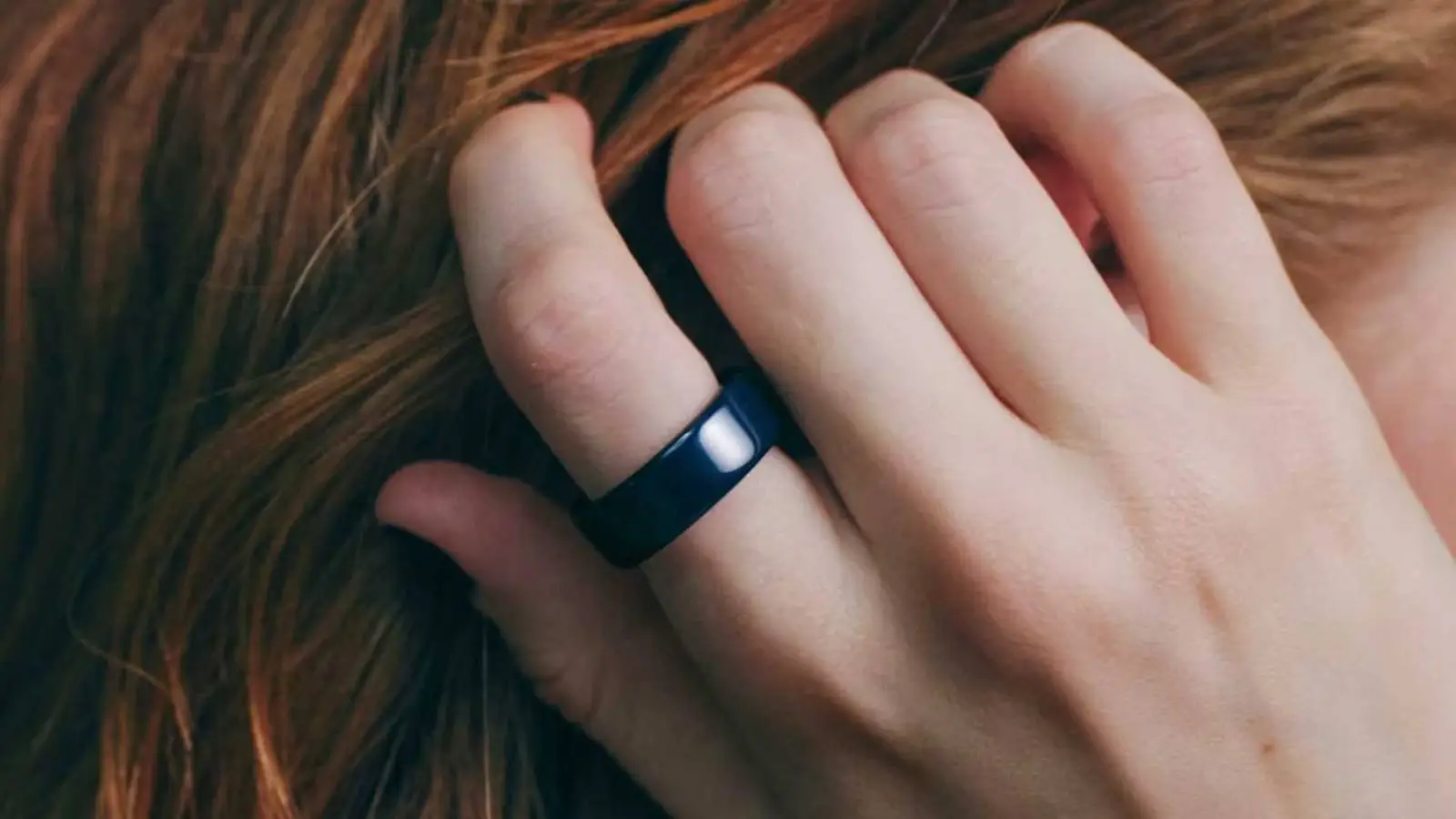
Oura is considering using the photodiodes in its PPG sensor not only to measure heart rate, but also to assess ambient lighting. The related patent applications were published by the US Patent and Trademark Office on July 16, 2026. According to the documents, the smart ring could determine light intensity, exposure duration and individual wavelengths. In theory, the system could even estimate the user's daily ultraviolet exposure.
The main use case is sleep. The Oura app could warn users when a bedroom is too bright and may interfere with falling asleep. Lighting data could also become an additional factor in sleep-quality analysis alongside heart rate, body temperature and physical activity. With compatible smart-home devices, the ring could trigger automated routines — for example, dimming the lights or closing the blinds. Users without smart bulbs or curtains would receive simpler advice, such as drawing the curtains or lowering the brightness.
Oura previously received a patent for a ring design with a removable battery. However, patent publications do not guarantee that light sensing or smart-home control will appear in commercial products.