
By the end of 2026, at least nine schools in Florida, Georgia and Colorado plan to install the Campus Guardian Angel system to respond to armed attacks. The small drones, developed by Mithril Defense, will be stored in dedicated containers on school grounds. The program will involve three schools in Florida, five in Georgia and one in Colorado.
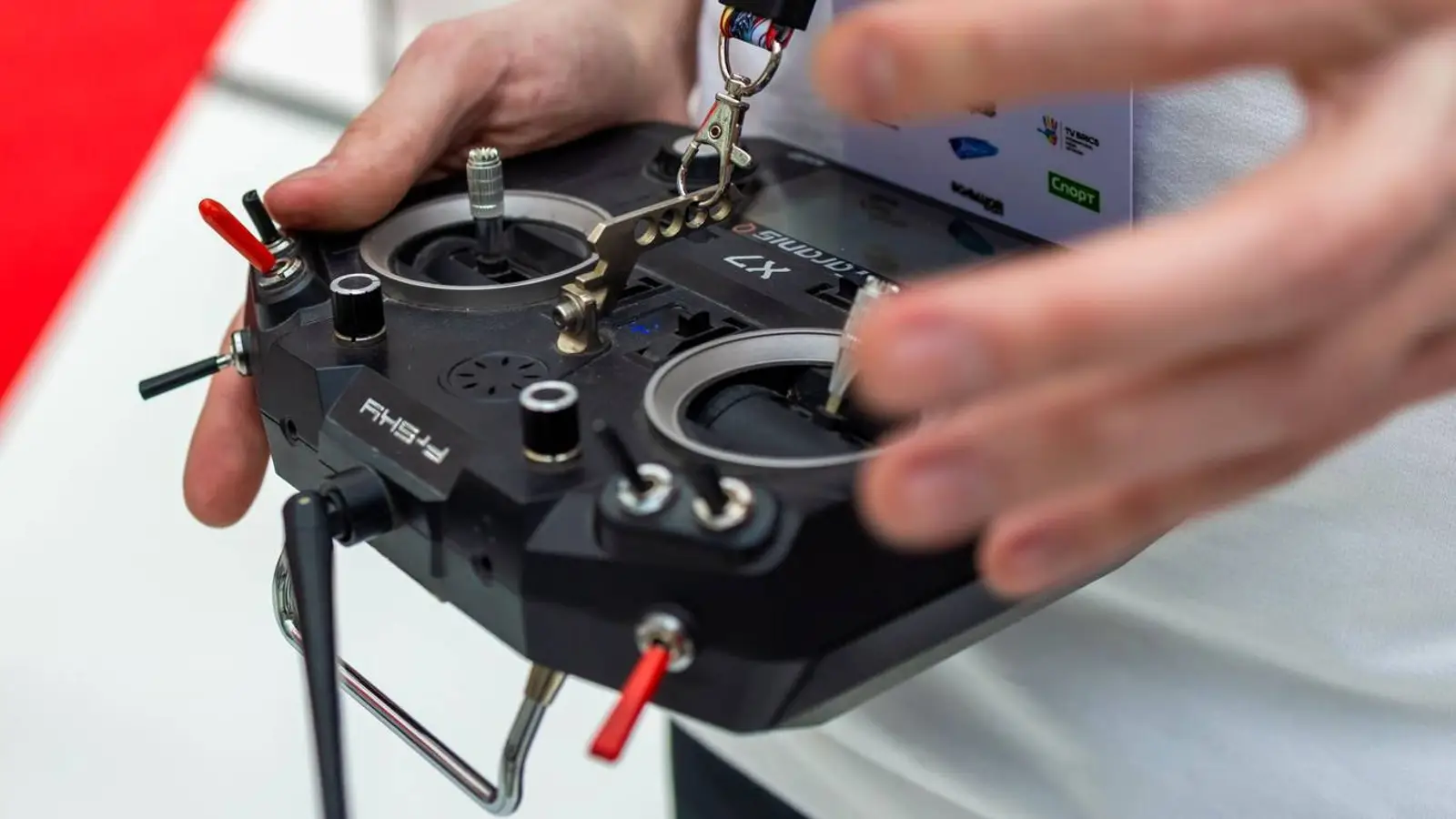
After a report of a possible threat, an operator must first confirm that the danger is real and then remotely guide the nearest drone toward the suspected shooter. The aircraft carry cameras, sirens, strobe lights, two-way communications and devices that spray pepper gel. They can also break ordinary windows and ram an attacker at about 60 mph, or 97 km/h.
The developer says a drone can reach its target in roughly 15 seconds after the system is activated. The aircraft are controlled by operators at a center in Austin, who receive live camera feeds and access to a digital map of the school. The company describes the system as an additional tool that could delay or disorient an attacker until police arrive, although it has not yet been used during a real school shooting.
Georgia authorities have allocated $550,000 to install the system in five school districts. In Florida, one of the largest projects is being prepared at Deltona High School, where 39 drones are planned. Colorado's John Adams Academy intends to install the equipment in August using its own budget, regardless of whether local authorities approve additional security funding.
The initiative has already sparked debate over safety and whether the spending is justified. Critics argue that the money would be better spent on violence prevention, mental-health support and conventional security measures. They also warn that remote operators under pressure may struggle to distinguish an attacker from a student or police officer. Even supporters acknowledge that the system's effectiveness depends on detecting the threat almost immediately and launching the drones in the first minutes of an attack.