
The Swift space telescope, in service since 2004 and devoted to studying gamma-ray bursts, is now at risk: its orbit is decaying fast, and by the end of 2026 the spacecraft could reenter Earth’s atmosphere. With no onboard engine, Swift cannot adjust its trajectory, leaving NASA with only one lifeline—a dedicated air-launch rescue mission. The timeline leaves little room for error.
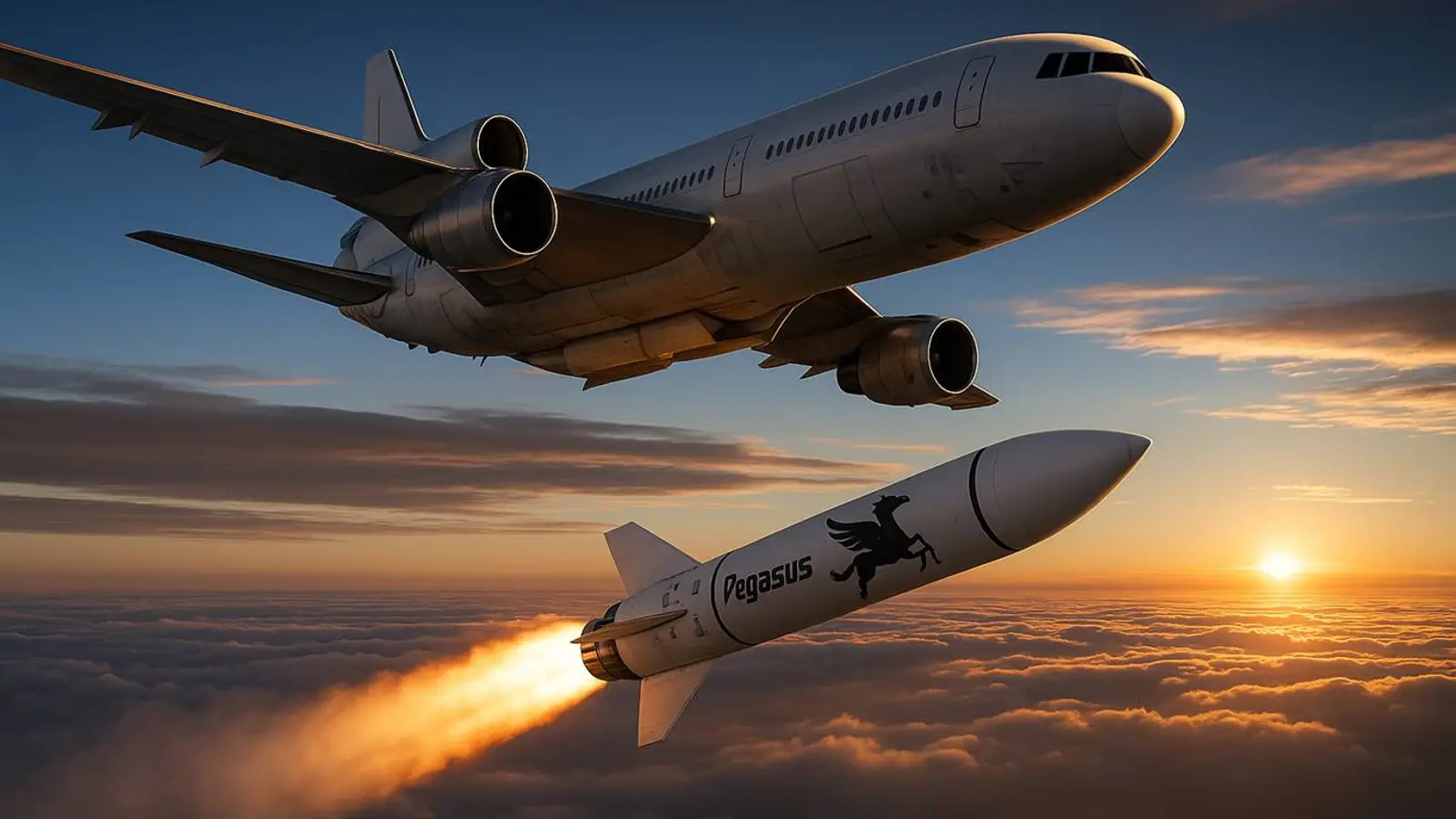
To pull it off, the team has chosen the Pegasus rocket, launched from the Northrop Grumman L-1011 Stargazer aircraft. As Katalyst chief Gonhi Li explained, only Pegasus can reach the necessary orbit on such a tight schedule. The rocket comes with a long track record—since 1990 it has completed 40 successful launches out of 45—and for this operation it will be modified, with the vehicle extended and widened beyond its usual configuration.
The launch is slated for June 2026. Pegasus XL is expected to rendezvous with the telescope and secure it using three robotic arms. The maneuver will have to be executed with exceptional care to avoid harming Swift’s scientific instruments—a delicate dance where precision matters more than speed.
If the operation succeeds, Swift will be returned to its previous orbit, allowing it to continue scientific observations. For Katalyst, the stakes are equally high: a successful rescue would mark a major milestone and position the company for more complex work in space. It’s an ambitious plan—and exactly the kind of mission that can redefine what’s possible in orbit.