

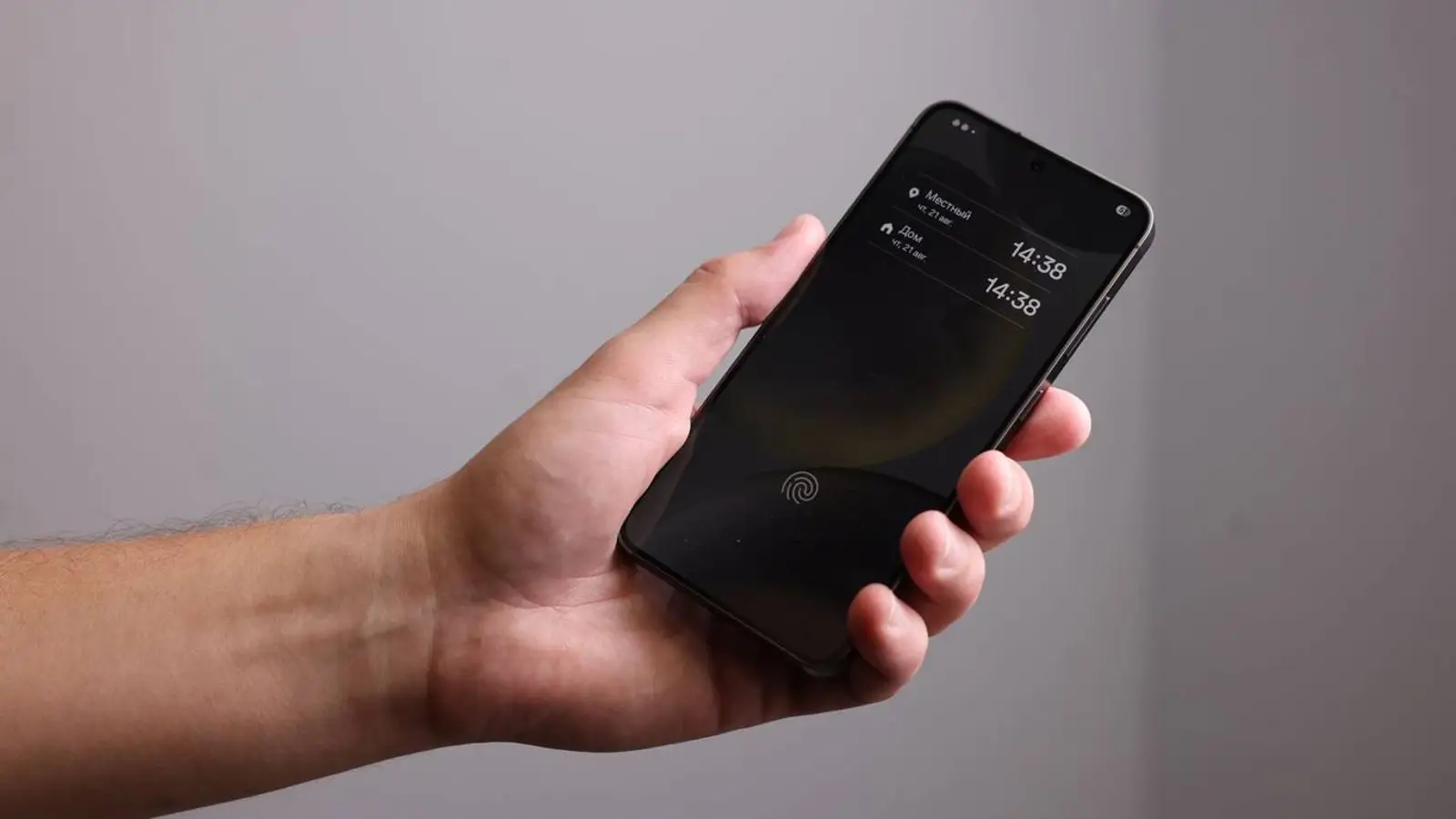
As DRAM prices climb, smartphone makers are weighing a return of the microSD card slot — a move that could help users cut costs by expanding storage without paying for higher-priced device tiers.
Not long ago, a microSD slot was the simplest and most affordable way to add space. Then companies gradually walked away from it, steering buyers toward more expensive configurations. Now the surge in DRAM costs, which has pushed giants like Micron to scale back the consumer segment, may swing the pendulum back: according to industry chatter, manufacturers are again discussing a microSD slot.
The idea is straightforward: buyers pick base models with less built-in storage and use a microSD card to scale up, saving money while letting brands protect their margins. New microSD Express standards tackle earlier performance bottlenecks. For instance, Samsung’s P9 Express 512 GB cards, rated up to 800 MB/s, sell for $74.99, whereas upgrading internal storage on some brands can run up to $200.
There are signs the pressure is real. Internal signals at major manufacturers such as Samsung indicate DRAM supply remains tight, and the price of 12 GB LPDDR5X modules has jumped from $33 to $70. That shift feeds directly into handset costs and puts pragmatic fixes — like bringing back the microSD slot — back on the table.
If plans hold, the first models with a restored slot are expected in the second half of 2026, aiming to blend a friendlier price tag with flexible storage and modern memory performance.