

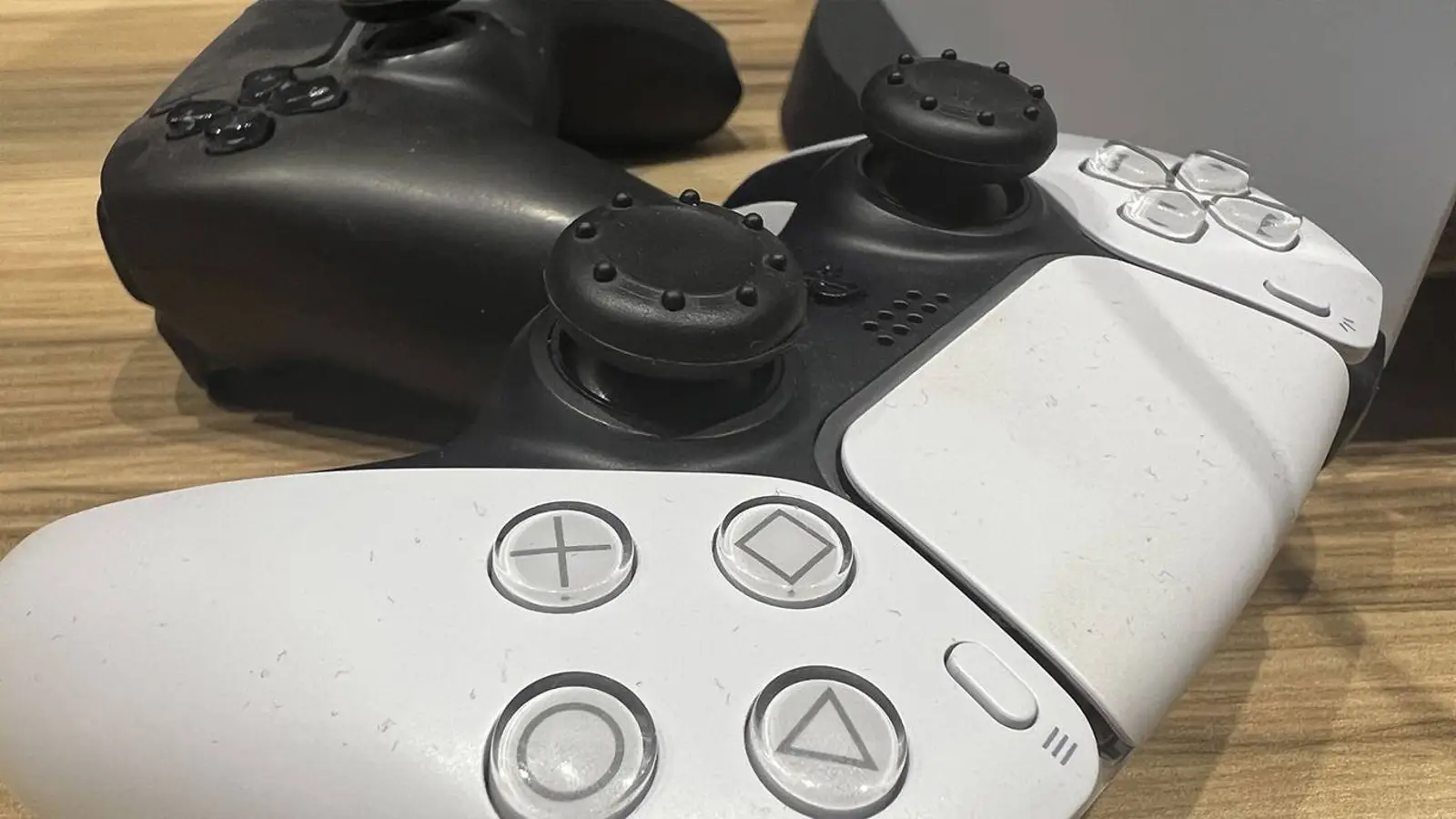
Rumors are circulating online about a possible delay to next-generation game consoles as RAM prices spike. According to Insider Gaming, the run-up is being driven by heavy demand from the AI industry and is already reshaping console makers’ plans. Even the prospect of such costs is enough to make roadmaps wobble.
Sources say companies are debating component supply headaches and rising bills of materials. Some estimates indicate RAM costs have jumped by hundreds of percent in recent months, making typical launch price targets exceedingly hard to hit. If the trend persists, even current hardware could face higher prices in 2026. For platform makers, that kind of volatility leaves little room to maneuver on price.
Manufacturers are reportedly considering pushing the next wave out to 2027–2028, counting on memory suppliers to expand capacity and bring prices down. Insider Kepler_L2 previously voiced a similar view, noting that platform economics are shifting and that, in theory, new consoles could surpass $1,000—well before what is now being dubbed the ‘RAMpocalypse’. In this climate, waiting out the spike can look like the least risky move.
So far, neither Sony nor Microsoft has confirmed any of this. Potential memory price inflation could also hit next-gen graphics cards, a market that tends to be more sensitive to demand swings and supply-chain snags. If current conditions hold, the pressure there may intensify as well. With luck, the market will steady by 2027.