
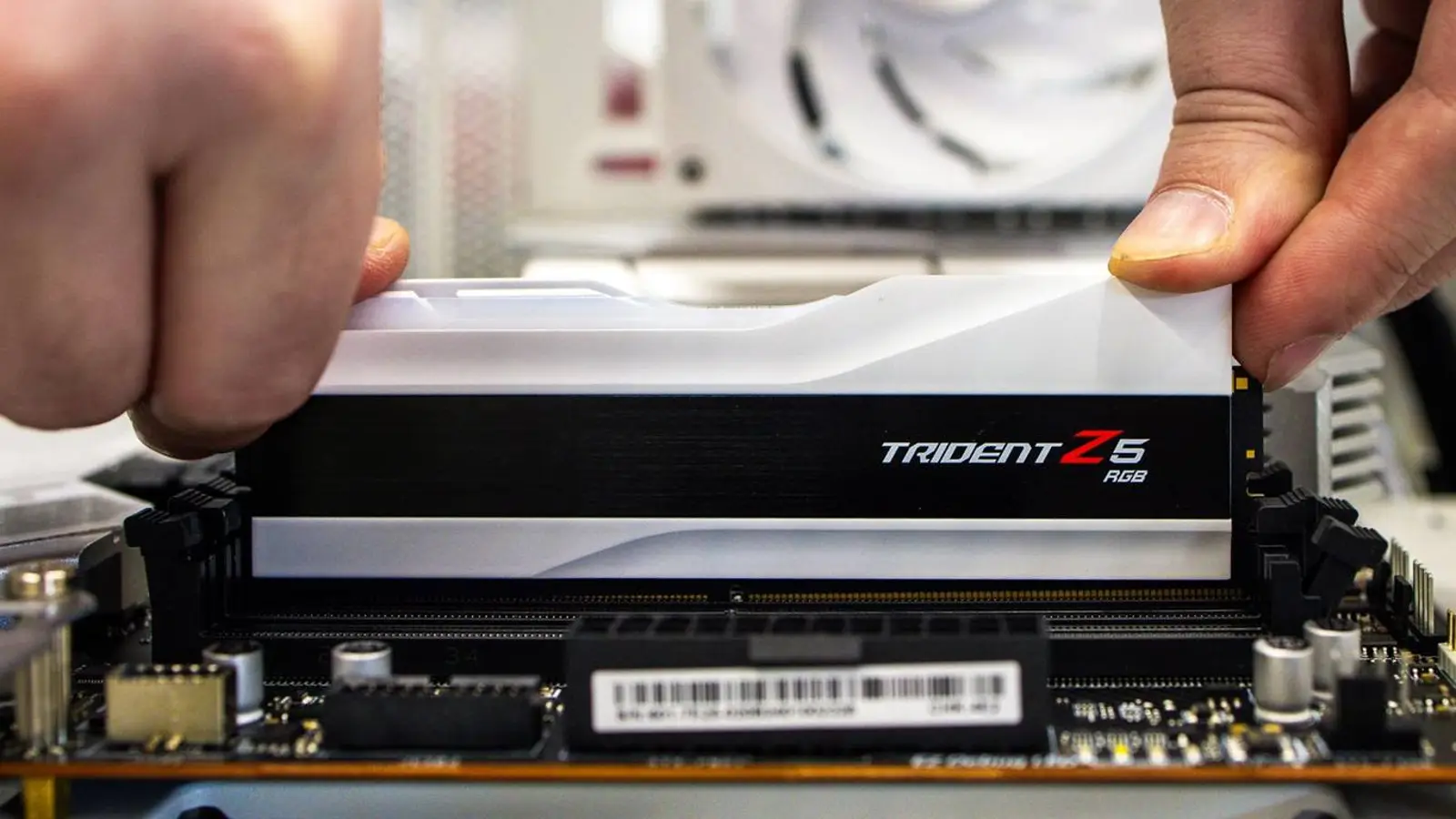
The investment boom in artificial intelligence is starting to hit ordinary shoppers where it hurts: at the checkout. Financial Times reports that surging demand for data-center memory has already sent chip prices sharply higher, and analysts warn that over the next year price tags on smartphones, computers, and home electronics could climb by 10–20%.
Major manufacturers are already sounding the alarm. Dell, Lenovo, Raspberry Pi, and Xiaomi acknowledge that the memory crunch is inflating production costs and leaves little room to avoid price hikes. Dell’s COO Jeff Clarke said the company had never seen costs rise this quickly, adding that the ultimate burden would land on consumers. Raspberry Pi raised prices back in December, describing the situation as painful, while Lenovo moved to stock up on components early to cushion the blow. For consumers, that means the AI story is no longer about distant server halls but about the final price on the shelf.
The root cause is the construction frenzy around AI data centers. Memory makers are prioritizing higher-margin orders, pushing the consumer electronics segment into a DRAM shortage. That, in turn, triggers stockpiling as companies buy ahead, which only propels prices further. Analysts portray the market as overheated and disordered, and TrendForce expects DRAM prices by late 2025 to be rising 50–55% quarter over quarter. The signal is clear: supply is struggling to keep pace with appetite.
Samsung and SK Hynix, which together control about 70% of the global DRAM market, have already indicated that their 2026 capacity is fully booked. Samsung has reportedly lifted prices on certain chips by up to 60%, and company executives concede that AI-driven demand is far outstripping what the industry can deliver. Cloud heavyweights such as Amazon and Google are adding pressure with long-term contracts, leaving consumer-device makers with scant leverage at the negotiating table.
Analysts see no quick fix. Financial experts estimate that U.S. tech companies will spend 620 billion dollars on AI infrastructure in 2026, and by 2028 global investments could approach 3 trillion dollars. Citi and Nomura expect the memory shortage to persist at least until 2027, with 2026 likely bringing even more aggressive chip hoarding. Even expansions at Samsung and SK Hynix will take time to matter: new fabs typically need two to three years to come online. Until then, manufacturers face an unappealing choice between higher prices and thinner margins, and for households, sticker shock may be baked in.