
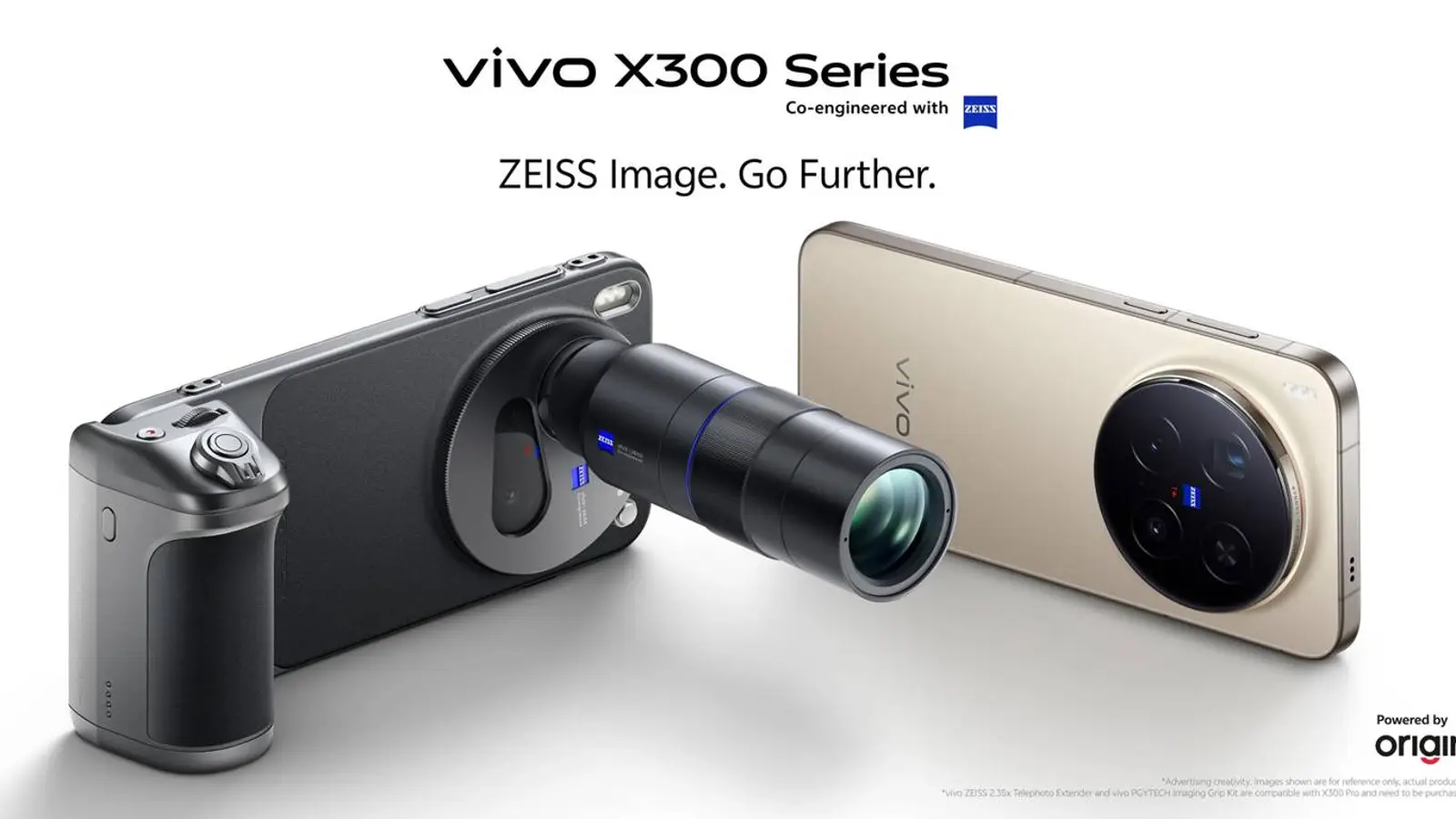
vivo X300 Pro has delivered one of the strongest showings in DxOMark’s history. After the lab published its full camera review, the phone landed in second place overall, trailing only the Huawei Pura 80 Ultra. It also edged out heavyweights like the OPPO Find X8 Ultra and the iPhone 17 Pro.
This is a record for vivo. The previous flagship, the X200 Ultra, cracked the top five, but the X300 Pro climbed even higher. In photo tests, the phone scored 171 points—slightly below the X200 Ultra, which still keeps a small edge in still-image shooting. Taken together, this looks less like a one-off and more like a steady step forward for the lineup’s imaging performance.
Video is where the X300 Pro makes a decisive leap. DxOMark gave it 169 points for video, putting it second in that category and making it the best Android phone for shooting footage right now. Only the iPhone 17 Pro, a perennial video standout, ranks higher.
The report points to high detail at zoom, a well-tuned telephoto, pleasing bokeh, and confident performance in low light. It keeps exposure steady, preserves a wide dynamic range, nails white balance, and renders natural skin tones in both photos and video. The video stabilization system also earned special praise.
There are caveats. The experts mention contrast issues in some HDR scenes, an ultrawide that isn’t the broadest, and occasional artifacts such as halos and chromatic shifts. In low light, processing can sometimes feel a bit aggressive, and darker skin tones may be slightly brightened.
Even with those nuances, the vivo X300 Pro delivers a very strong camera—especially for video—and reinforces the sense that the company has closed in on the front-runners in mobile imaging by the end of 2025.