

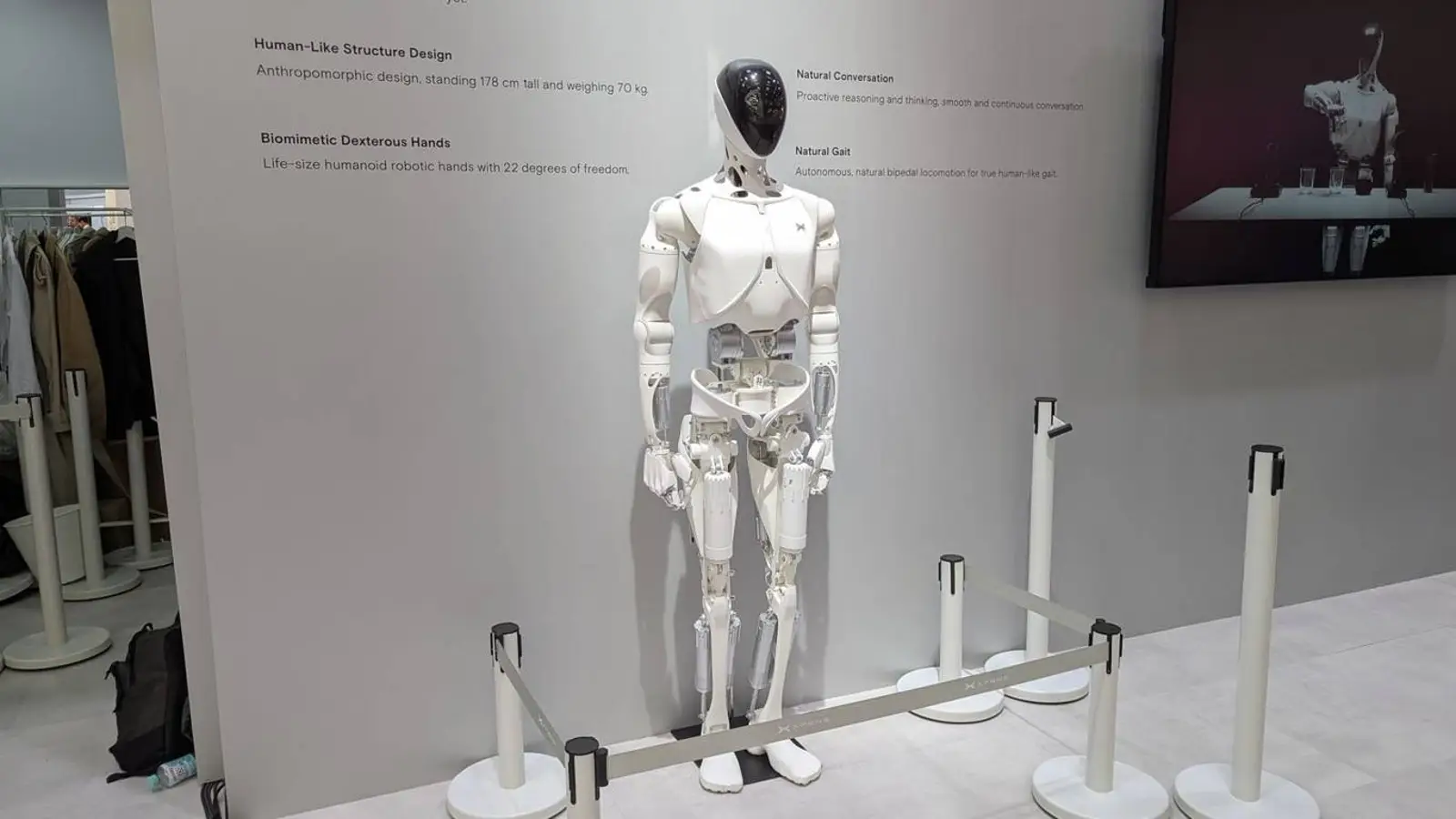
Scientists at City University of Hong Kong have developed neuromorphic electronic skin (NRE) that enables robots to sense pain and react instantly to harmful contact. The advance nudges humanoid machines closer to people, making interactions safer and, importantly, more empathetic.
The robotic skin consists of four layers and mirrors the structure of human skin. With a light touch, the NRE shell sends pulsed signals to the robot’s central processor to decide how to respond. If pressure rises above a safe threshold, the signal goes directly to the actuators, and the robot automatically contracts to prevent damage.
A notable feature is the almost instantaneous return to the starting position, which protects the robot’s body and lowers the risk of injuring people during contact. The electronic skin also monitors its own condition: each sensor periodically transmits a status signal. If a fault occurs, the system marks the affected area, and the sensor module can be replaced manually or, where supported, automatically.
This development opens new ground for safe human-robot interaction, giving robots a more lifelike sense of sensitivity and helping to prevent potential accidents. In practice, fast, protective responses like these are what make a machine feel less like a risk at your elbow and more like a reliable presence.