
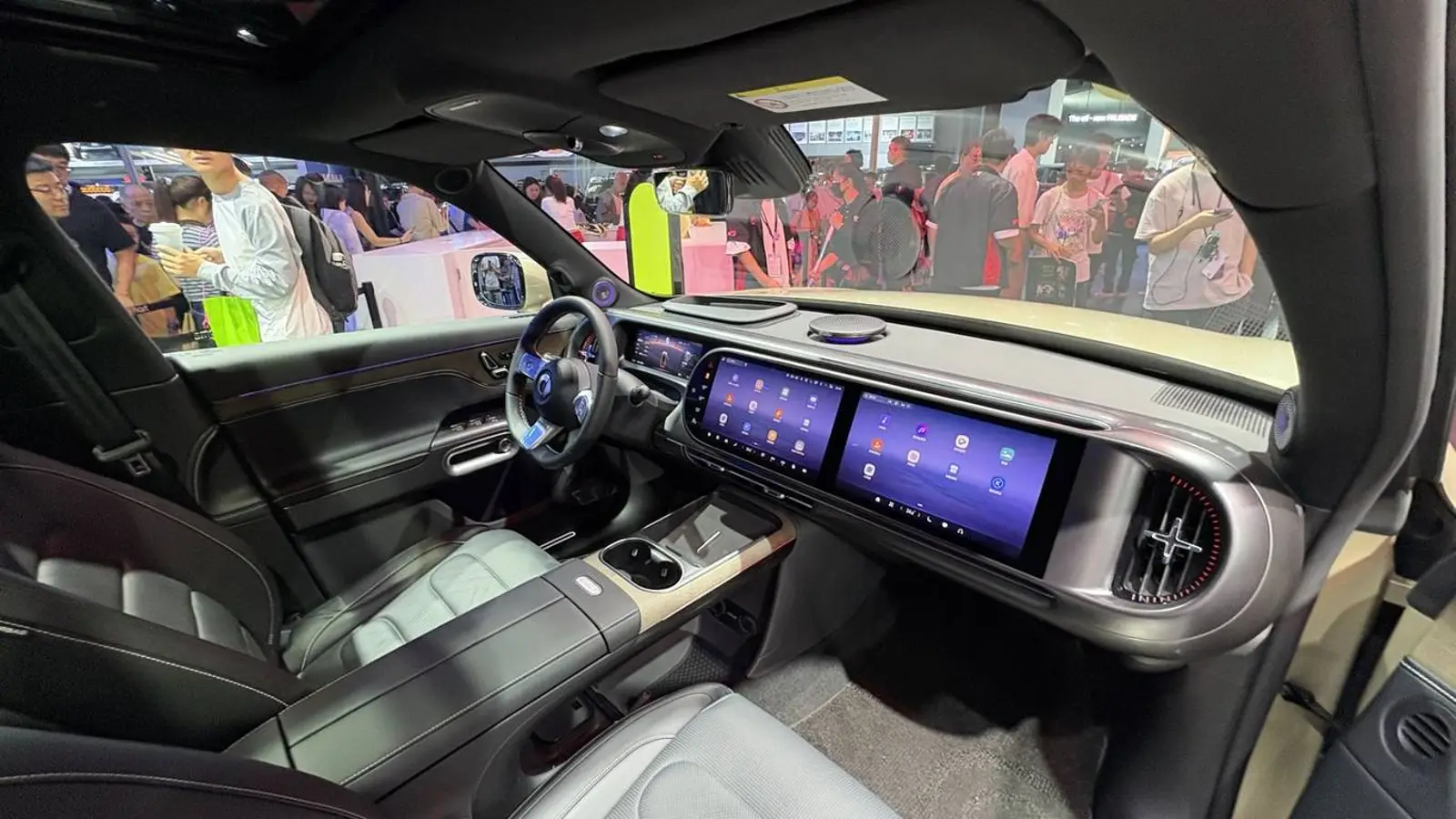
Qualcomm and Google have announced an important shift for vehicles running Android Automotive: these cars will get updates faster and with less hassle. The companies agreed to build a single reference platform for in-car Android starting with Android 17—a standardized foundation meant to streamline development, testing, and the rollout of new features for automakers.
At the heart of the initiative is bringing Project Treble to Snapdragon automotive platforms. The architecture, familiar to smartphone users since Android Oreo, separates core system components from the manufacturer’s software layer, allowing the OS to be updated without a deep rework of the firmware. Qualcomm confirmed that Project Treble will be supported across four generations of automotive Snapdragon chips and in more than 14 processor models.
According to the company, this approach will cut automakers’ engineering costs, speed up the release of updates, and provide long-term software support for up to ten years. For drivers, that translates into quicker access to new Google features, bug fixes, and security improvements—without the years-long delays that are common in today’s car software.
In essence, Qualcomm indicated that Project Treble has so far seen limited use in Android Automotive, and the landscape may now change. If Google extends the model to other partners, the car OS market could finally start catching up to smartphones in update cadence—an overdue shift that would make the upgrade experience feel far less stuck in the past.