
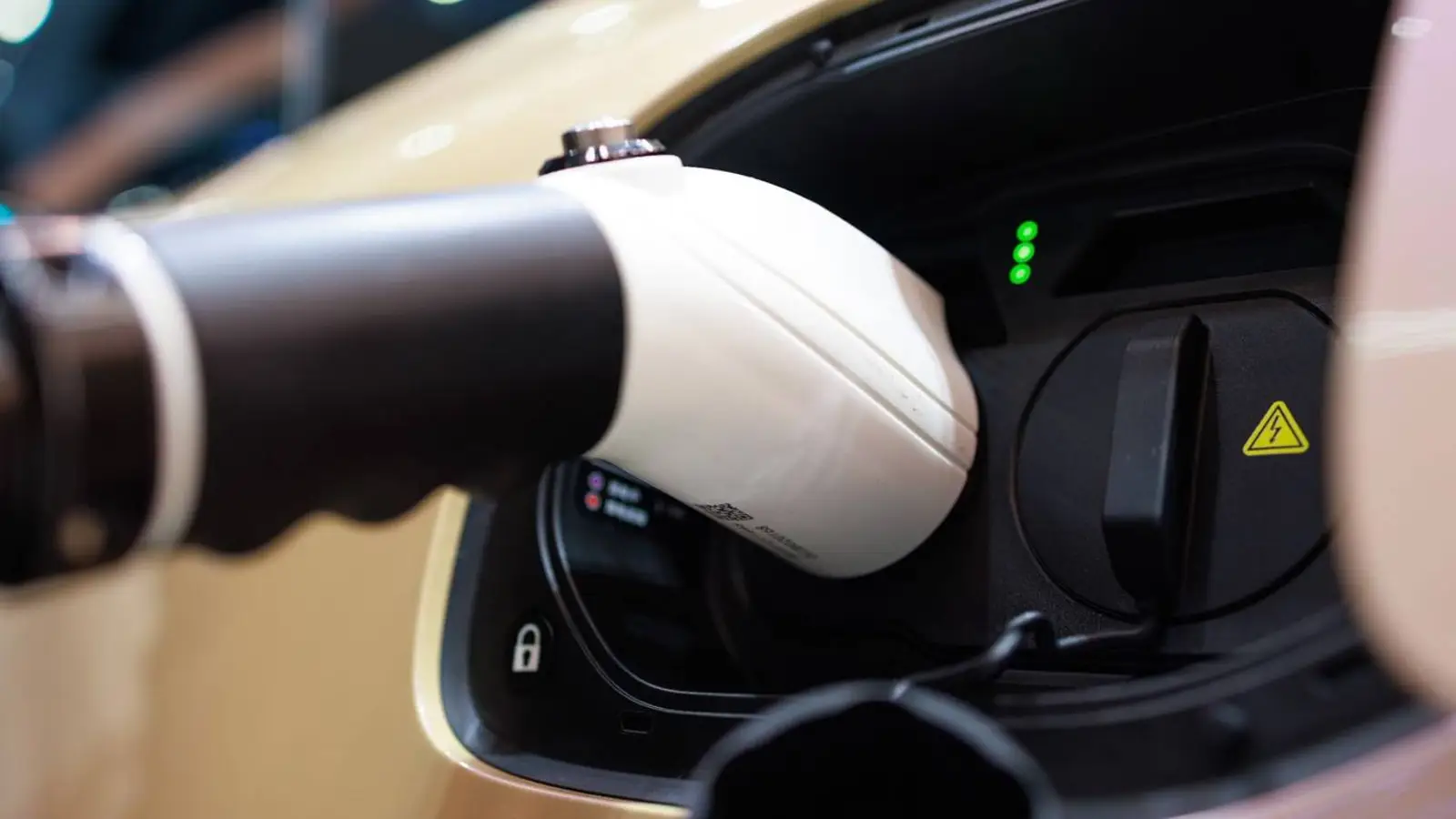
Chinese company Svolt used its sixth Battery Day in Changzhou to unveil the Fortress 2.0 battery, a pack that could reset expectations for what plug-in hybrids can do. Aimed at larger PHEV models, the 80 kWh module promises up to 400 kilometers of electric-only driving, a figure on par with many of today’s EVs and one that nudges PHEVs much closer to full-electric convenience in daily use.
The standout feature is ultra-fast charging. Thanks to a new graphite cell design, the pack supports a 6C charge rate and can go from 10% to 80% in just ten minutes. Svolt plans to start series production in March 2026. In parallel, the company introduced an updated Ion Oscillation Pulse Charging system that cuts charging time by a further 25% without adding cost, with first production EVs expected to adopt it in the third quarter of 2026.
Svolt also put a spotlight on semi-solid-state batteries. The first generation, rated at 270 Wh/kg, is already being built in small batches and, according to the company, may debut in a model from a European brand—most likely Mini within the BMW Group. Svolt had previously confirmed it was developing tailored solutions for that automaker. A second version, at 342 Wh/kg, was designed for eVTOL aircraft and has already passed flight tests.
For the mass market, the company is preparing a more affordable 245 Wh/kg variant, with production scheduled to begin in October 2026. A new electrolyte transfer approach is intended to improve these cells’ resistance to thermal runaway. From a financial standpoint, Svolt’s strategy is starting to bear fruit: the company posted its first quarterly profit in the fourth quarter of 2025 and expects to achieve sustainable profitability over the whole of 2026. Taken together, the technical and financial milestones suggest the roadmap is gaining real momentum.