
Just a few years ago, gaming laptops were synonymous with bulky chassis, noisy cooling systems, and minimal battery life. By 2026, the landscape has changed dramatically. Modern models have become thinner, lighter, and significantly more versatile, with performance that now rivals desktop PCs. However, this progress has also made the buying decision more complex, forcing consumers to balance power, portability, and price.
Performance as the foundation
At its core, a gaming laptop is still defined by its hardware. In 2026, flagship models are equipped with Intel Core Ultra Series 3 or AMD Ryzen AI HX 400 processors, paired with NVIDIA RTX 50-series graphics cards. This combination enables smooth gameplay at high settings, supports ray tracing without significant performance drops, and leverages AI features like upscaling and automatic optimization.
What matters here is not just raw power but also its stability. Advanced cooling systems now sustain high clock speeds without throttling, while new manufacturing processes have improved energy efficiency. Combined with larger batteries, these advancements make gaming laptops suitable not only for gaming but also for everyday tasks. The trade-off, however, is increased weight and size. Models focused on maximum performance and long-term relevance, such as the latest Alienware laptops, remain heavy and expensive.
Portability without major compromises
Where mobility once meant sacrificing serious graphics capabilities, that’s no longer the case in 2026. Manufacturers have learned to combine compact designs with powerful components through better energy efficiency, intelligent power management, and denser internal layouts. Today, you can find gaming laptops weighing under two kilograms that still handle demanding titles.
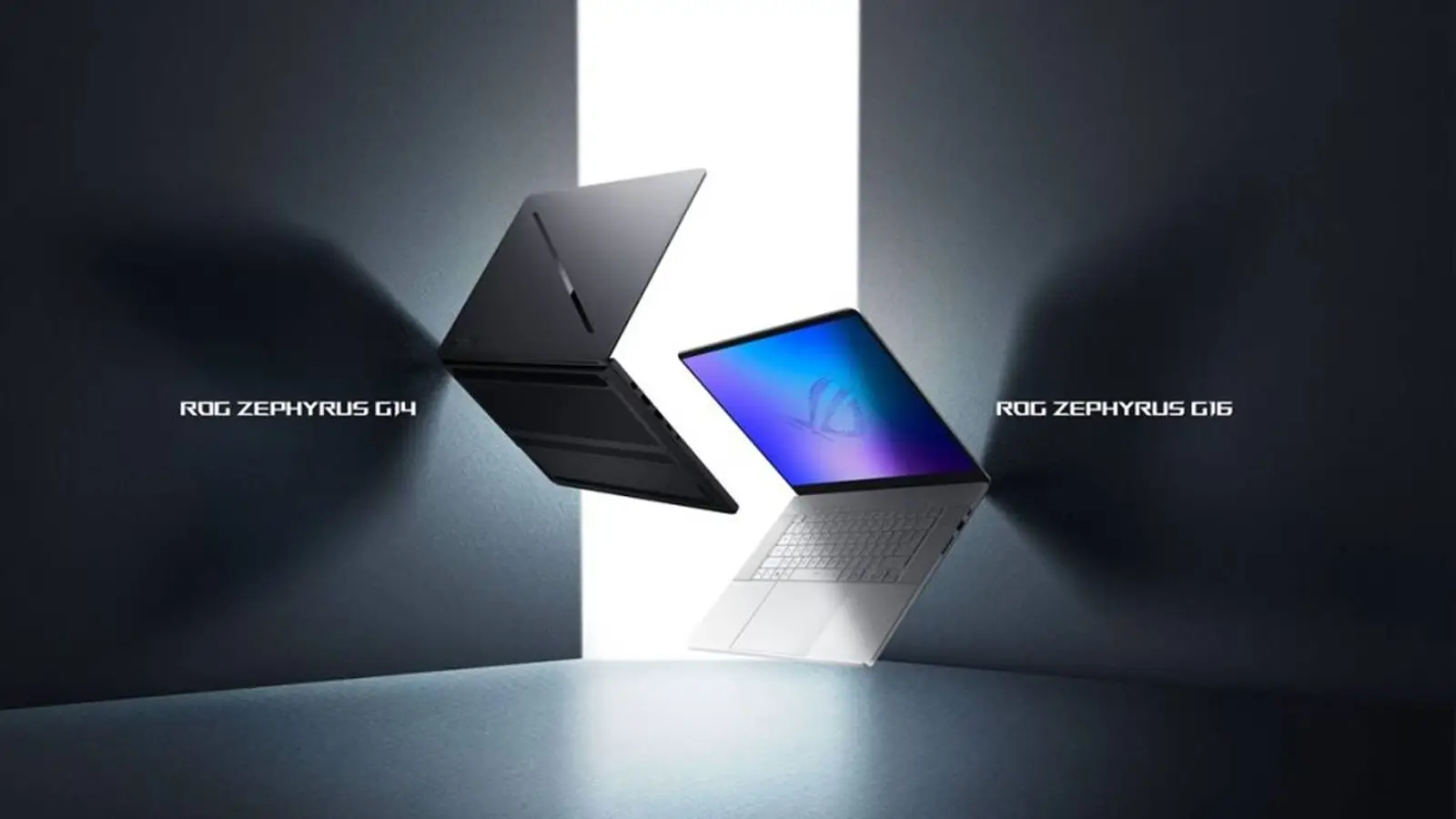
A good example is the updated ASUS Zephyrus G14 and G16. The smaller model weighs around 1.5 kg yet can be configured with an RTX 5080 graphics card and modern Intel processors. These laptops offer high-quality OLED displays, stylish designs, and strong on-the-go performance. But this compactness comes at a cost: ultra-thin gaming models can’t sustain the same power levels as bulkier laptops built for extreme workloads.
Price as the deciding factor
Cost remains the third key consideration when choosing a gaming laptop. Improvements in performance and design have driven prices upward, while shortages in memory and graphics chips have further heated up the market. In 2026, flagship gaming laptops easily surpass the thousand-dollar mark, often by a significant margin.
That said, there are still worthwhile options at reasonable prices. Previous-generation models can deliver a comfortable gaming experience and often represent a smart buy. Retailers also frequently run promotions, seasonal discounts, and bundle deals that add value. New budget-friendly models, showcased at events like CES 2026, target mainstream users with balanced specs and no unnecessary extras.
Conclusion: no one-size-fits-all solution
In 2026, choosing a gaming laptop is about setting priorities. Maximum performance means higher weight and cost. Compactness and lightness come with power limitations. An affordable price often requires compromises on specs. The good news is that the market has become more diverse, making it possible to find a suitable model for almost any use case.
For some users, a gaming laptop will serve as a full desktop replacement. For others, it will be a versatile device for work, study, and entertainment. The key is to clearly identify your most important needs and select a model that best aligns with those expectations.