

While Tesla's robotics development may not be making major public spectacles, it continues steadily. The company has already deployed about 1,000 humanoid Optimus robots across its manufacturing sites, including facilities in Texas and Fremont. These robots are gradually being integrated into the production process and are learning new tasks.
The conventional wisdom favored specialized robotic manipulators for factory work, each dedicated to a narrow function. However, technological progress is shifting that perspective. A humanoid robot proves more versatile, as it can be reconfigured for new tasks without requiring a full equipment overhaul. Furthermore, the cost of such robots is gradually decreasing, while their capabilities expand through software updates. Tesla aims to bring the price of an Optimus unit down to the $20,000–$30,000 range.
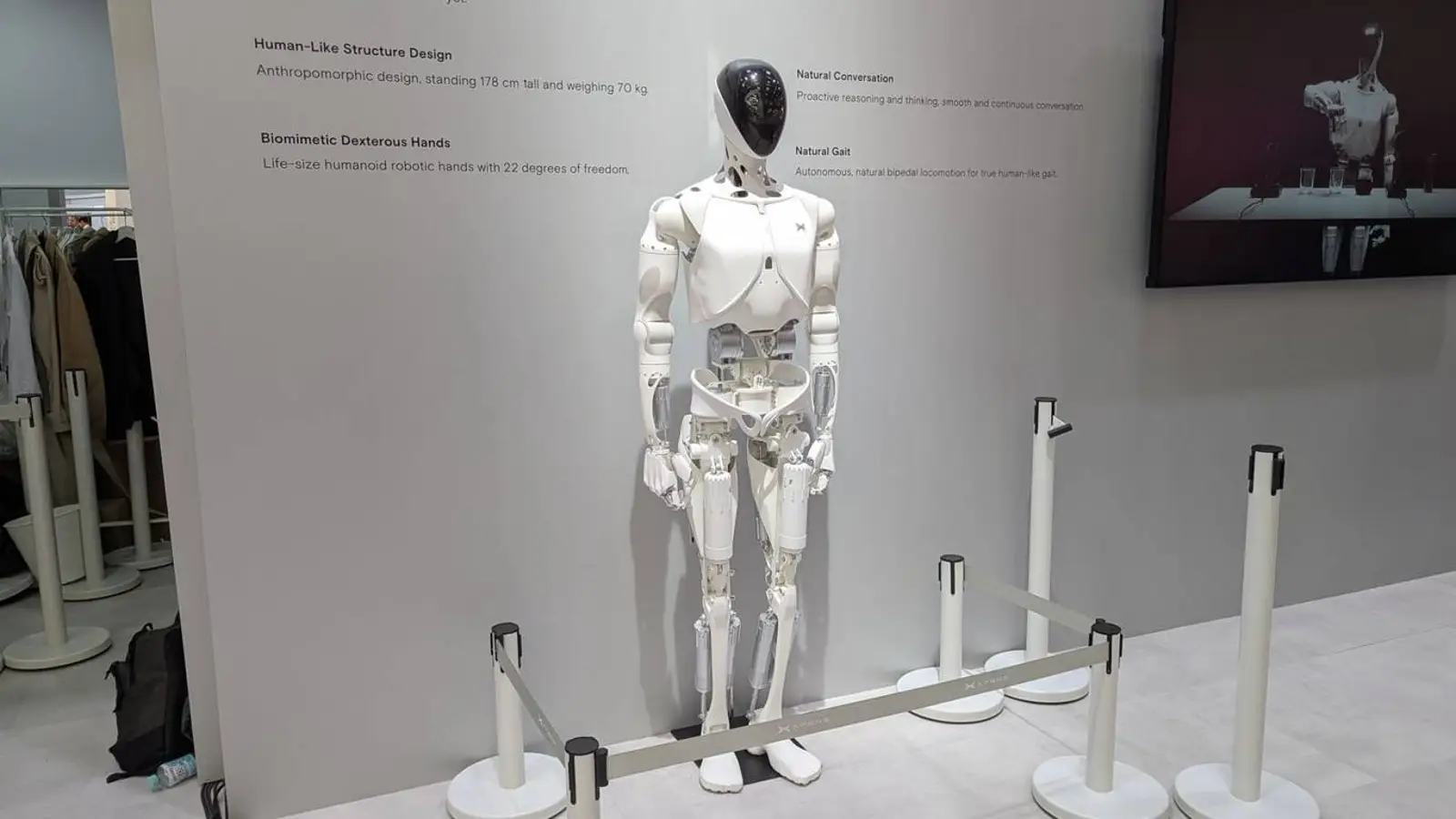
Currently, Optimus robots are primarily used for moving cargo, sorting battery cells, and assembling battery packs. The factories are already utilizing third-generation robots equipped with more complex hand manipulators featuring 22 degrees of freedom. In the arm's design, some actuators have been relocated to the forearm area, and finger control is implemented via a system that mimics tendons. Sensors on the fingertips allow the robot to precisely calibrate its grip strength, enabling it to handle objects of varying durability safely.
On the software side, the robots are trained using the FSD v15 architecture, originally developed for Tesla's Autopilot. This allows Optimus to assess its surroundings with eight cameras, quickly learn new operations, and directly relay commands to its actuators. This approach slashes training time down to a few hours, compared to the weeks required for traditional programming.
Simultaneously, the field of robotics is increasingly adopting Large Behavior Models (LBMs), which describe a machine's interaction with the real world. Tesla is already constructing a dedicated building in Texas for the mass production of Optimus and plans to ramp up output to 50,000 robots by the end of the year. Looking ahead, the company anticipates introducing a home version of Optimus, though this depends on software development and ensuring safe interaction with humans and animals.
For robots to fully replace humans on production lines, several technical hurdles remain. Specifically, they need to achieve extended operation without recharging and increase the durability of their actuators, which wear out under continuous use. Tesla currently states that Optimus can work for 8–10 hours without stopping, which already allows it to cover multiple worker shifts when sufficient robots are deployed.
The deployment of such robots opens new avenues for business and industry, but it also raises questions about the future of the workforce. Against this backdrop, the rise of robotics is creating new earning opportunities: software developers will be able to create solutions for using humanoid robots in logistics, caregiving, construction, and other sectors.