
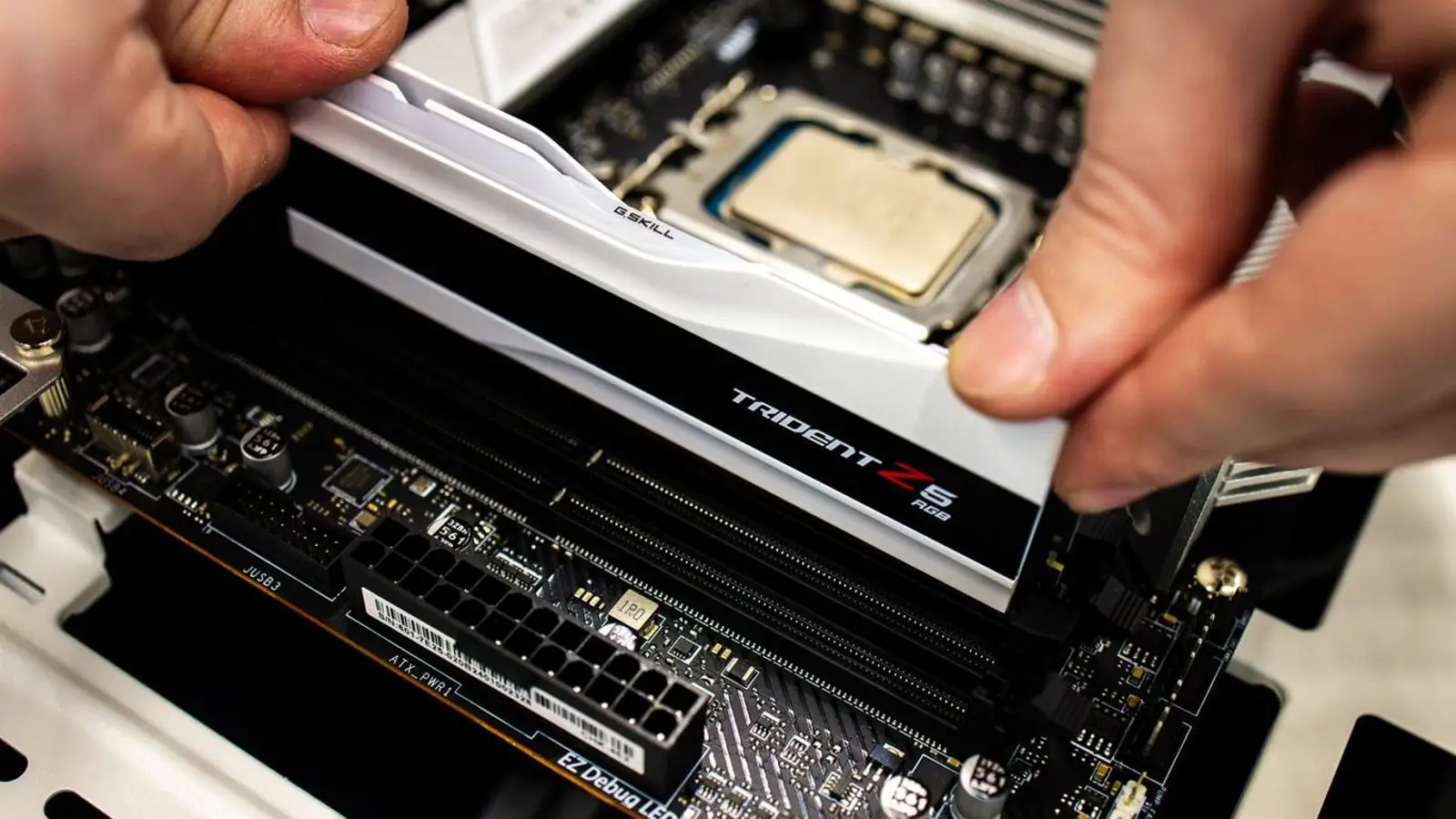
Tensions are rising again in the memory market. A document, attributed to an authorized Samsung distributor, is being widely discussed on social media and within industry circles. It reportedly announces sharp price increases—up to 80%—across Samsung's entire memory product line, with the changes taking effect immediately.
Samsung has not officially confirmed this information. The leak is said to come from an employee connected to the company's Device Solutions campus in Giheung, South Korea, a key hub for its semiconductor business. This context makes the news particularly sensitive, given that demand for memory is currently surging, driven primarily by the AI boom and high-performance computing.
Adding to the price pressure is what appears to be a very cautious production strategy from manufacturers. Industry insiders report that Samsung plans to increase DRAM output by only about 5%, despite existing shortages and growing orders. SK hynix and Micron are showing similar restraint, wary of repeating past overproduction cycles while maintaining high profitability.
These constraints aren't limited to DRAM. It was previously reported that Samsung and SK hynix are considering cutting NAND flash production, shifting resources toward more profitable segments. Analysts at TrendForce forecast the total memory market will grow to $551.6 billion by 2026, reaching a record $842.7 billion in 2027. This growth trajectory provides fertile ground for further price increases.