
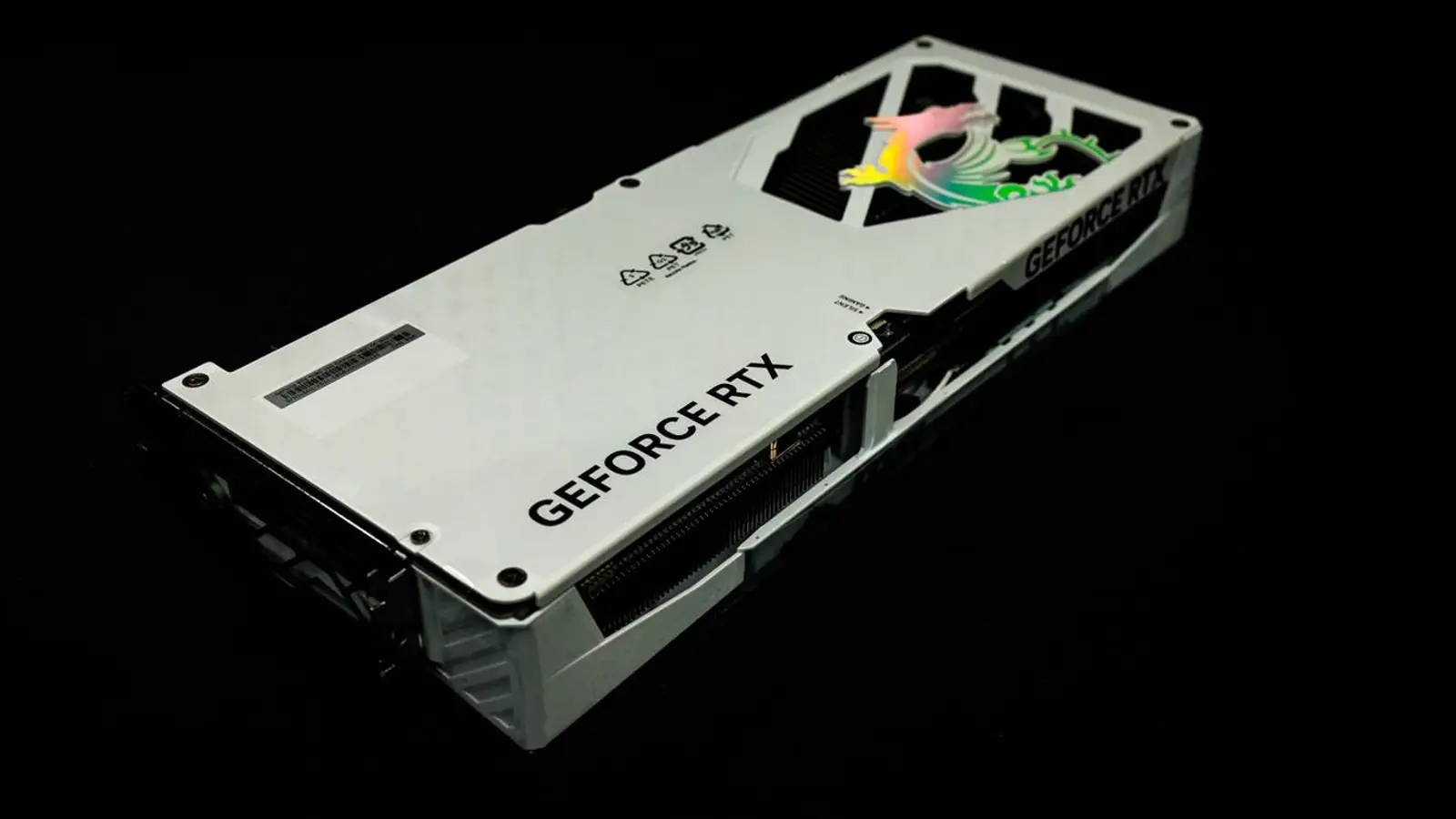
2026 has unexpectedly become one of the most challenging periods for the graphics card market since the pandemic. While new GPUs from AMD and NVIDIA could still be found close to their recommended prices late last year, that is now virtually impossible. The reason is an acute memory shortage, driven by the AI boom. Graphics card and server accelerator manufacturers are competing for the same resources, and data centers are increasingly getting priority over gamers.
The situation has been worsened by contradictory statements from manufacturers. News about the supposed discontinuation of popular models like the RTX 5070 Ti and 5060 Ti 16GB triggered a wave of panic buying. Even after denials, it became clear the market is extremely unstable. Prices skyrocketed instantly, and cards that should cost around $750 are now selling for sums close to $1,200. This is not an isolated case—practically no current model sells at its MSRP today.
Is it worth upgrading right now
In this climate, the main question is simple: buy or wait. If you already have a graphics card that handles your current games and tasks, the smartest move is to do nothing. The market is overheated, and the chance of overpaying for an upgrade now is extremely high. History shows that such crises eventually subside, even if it takes more than a few months.
The situation is different if your current card can no longer run modern games. In that case, postponing a purchase can be difficult, but you need to approach the choice with extra caution. In 2026, 12 GB can be considered the minimum reasonable amount of video memory, with 16 GB being preferable. Models with 8 GB are rapidly losing relevance, especially if you're not just playing older games at 1080p. Buying such a card today could mean needing a replacement within a year.
Available options in a shortage
If your budget is limited, the choice becomes painful. In the segment under $400, there are almost no worthy solutions left. Against this backdrop, the Radeon RX 9060 XT looks like one of the few sensible options. The version with 16 GB of memory is preferable, but even the 8 GB model remains the most viable choice in its class. Yes, prices are noticeably above recommended levels, but by current market standards, it's still a relatively reasonable purchase.
Among NVIDIA solutions, the most balanced option remains the RTX 5070. It doesn't have the largest video memory reserve, which is a weak point for future-proofing. However, this model has been the least affected by the price madness. For those who value NVIDIA's proprietary technologies like DLSS and ecosystem features, the RTX 5070 is almost the only rational choice.
Best value for money
When considering the balance between performance and price, AMD's mid-range solutions look the most attractive. The Radeon RX 9070 offers more video memory and handles modern AAA games confidently. While AMD's upscaling and AI technologies still trail NVIDIA's, in real-world scenarios the RX 9070 often proves to be the better value purchase. Even at today's inflated prices, it delivers a superior cost-to-capability ratio.
For those willing to spend more, the RX 9070 XT looks like the logical limit. Anything above that belongs to the segment of frankly overvalued flagships, where price increases faster than real benefit. In a crisis, overpaying for top models becomes particularly painful.
Conclusion
The RAMageddon of 2026 has made the graphics card market tough and unpredictable. The best strategy remains patience: if you can wait, you should wait. If an upgrade is necessary, choose not by a flashy name but by memory capacity and real value for your tasks. This crisis will end sooner or later, but the money overpaid today won't come back.