
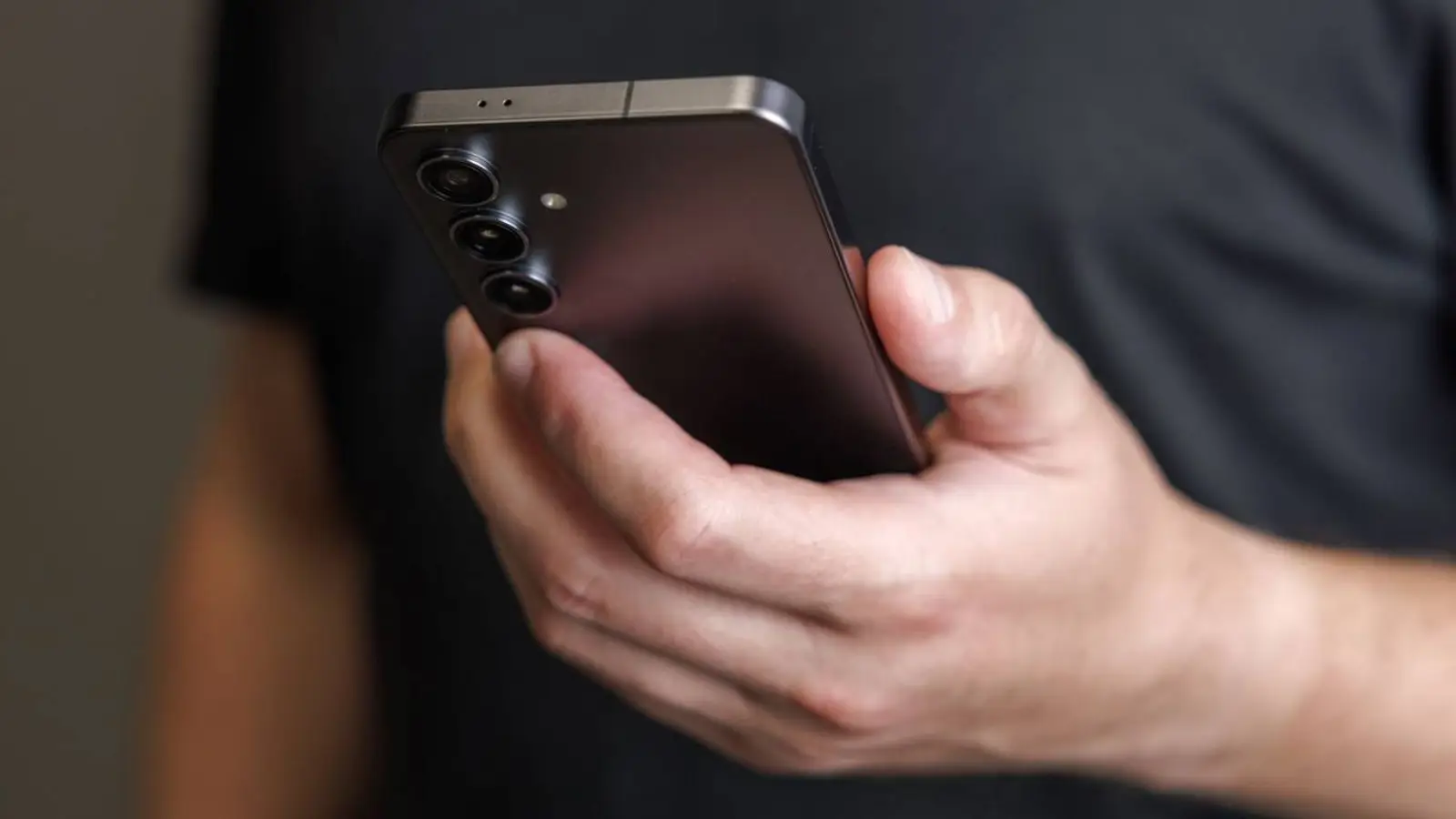
Google has issued a stark warning to Android smartphone owners worldwide. According to the company, approximately 40% of all Android devices are no longer receiving security updates, leaving them vulnerable to new forms of malware and spyware. In absolute terms, this affects roughly one billion users, who are essentially being advised to consider urgently replacing their smartphones.
The root of the problem lies in the discontinuation of support for devices running Android 12 and older system versions. This means smartphones released around 2021 or earlier are no longer protected against current threats. The situation is exacerbated by the Android ecosystem itself: due to the large number of manufacturers, updates are distributed extremely unevenly, and today, only slightly more than half of active devices are running Android 13 or newer.
The contrast with iOS is particularly noticeable here. In Apple's ecosystem, the overwhelming majority of devices use either the current system version or the previous one, significantly reducing the scale of risks. In Android, even the latest system version is installed on only a small share of devices, and this gap continues to grow each year.
Google explicitly states that owners of smartphones incapable of updating beyond Android 12 should consider purchasing a new device. This doesn't necessarily mean expensive flagships—even a modern mid-range model with an up-to-date Android version will provide regular security patches. The company emphasizes that while Google Play Protect continues to function on older system versions, it is no longer sufficient for comprehensive protection.
The risks are very real. A successful attack could lead to the theft of login credentials and passwords from banking services, crypto wallets, and other sensitive applications. Essentially, users face a choice between saving money and ensuring security, and Google is increasingly making it clear that delay could prove costly.