
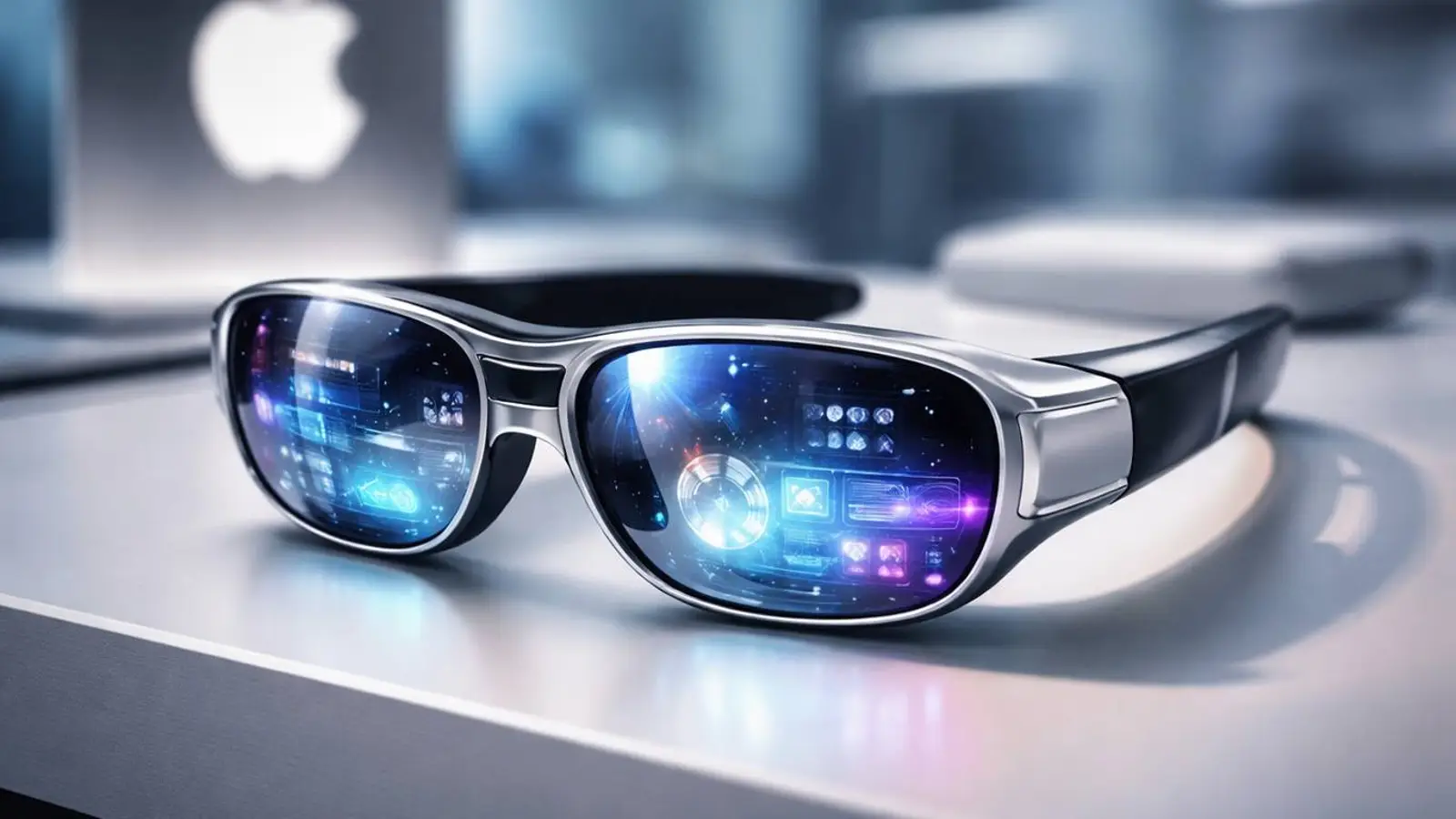
Apple may not launch its own AR glasses until 2028, according to research firm Omdia. The device is expected to feature two 0.6-inch OLEDoS displays, which should offer higher resolution and better energy efficiency compared to traditional OLED panels. OLEDoS technology places organic light-emitting diodes directly on a silicon substrate, enabling extreme pixel density and a compact design.
Analysts predict that by the time Apple's AR glasses arrive, competition in the segment will have intensified. Meta* plans to release its own full-fledged AR glasses in 2027, featuring dual OLEDoS screens and a waveguide projection system that beams images directly into the user's eye. This approach is said to deliver a sharper picture and better outdoor visibility. Other manufacturers are also preparing Micro-OLED-based devices in the coming years.
However, rumors suggest Apple isn't waiting until 2028 to enter the wearable optics market. As early as 2026, the company could release simpler "smart" glasses with integrated cameras, microphones, and speakers, but without a full AR display. These would focus on AI functions like voice control through an updated Siri, hands-free notifications, real-time translation, and other interaction scenarios.
Meanwhile, Meta* is actively developing its Ray-Ban smart glasses lineup. A previously unveiled model with a display offers up to 5000 nits of brightness and 42 pixels per degree, surpassing some of the company's VR headsets. The device supports 3K video recording and gesture control via a neural wristband that reads muscle signals. Against this backdrop, Apple's strategy appears more cautious: the company is likely betting on display technological superiority and a more mature platform, even if that requires extra time.