
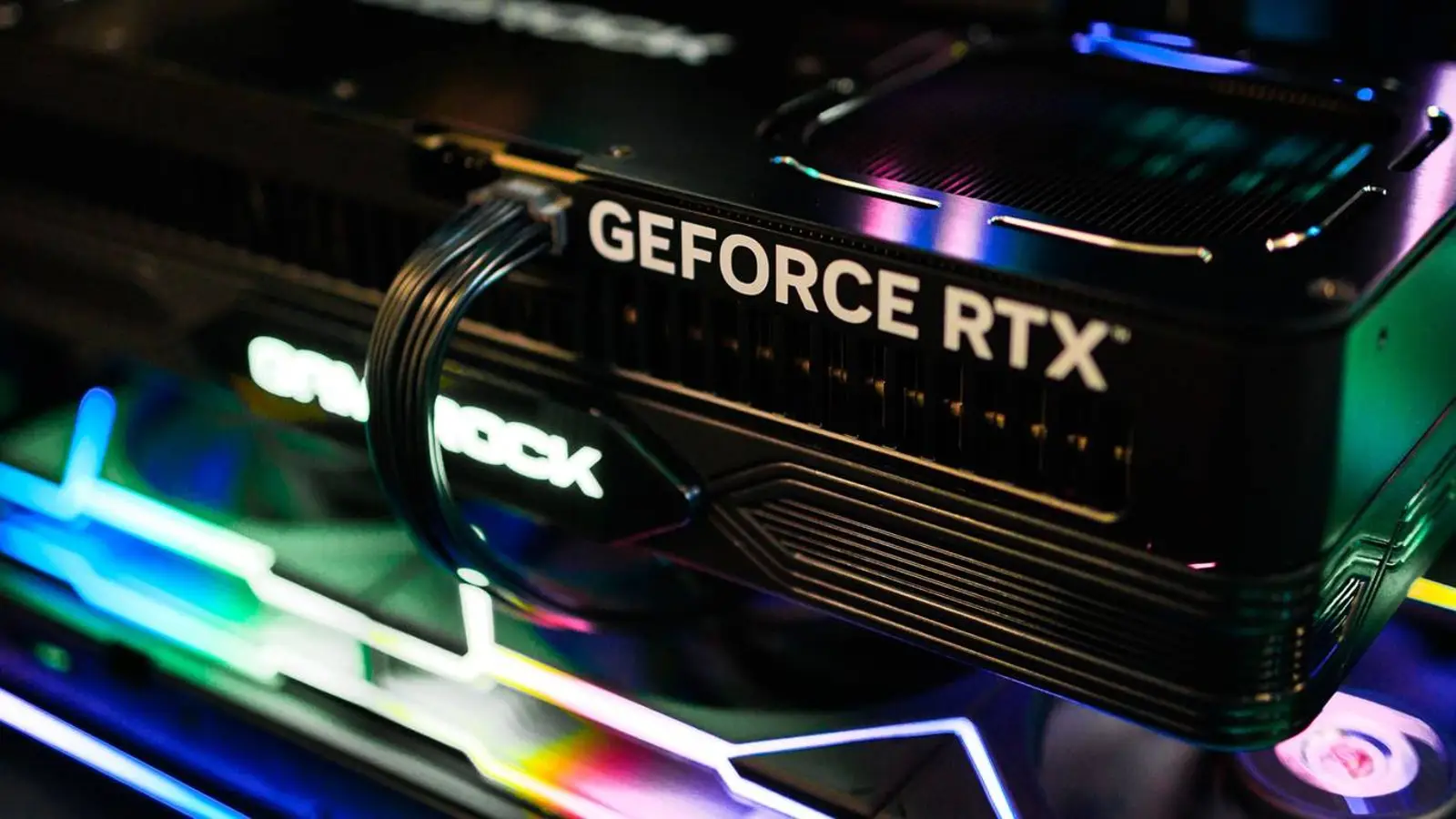
To mark its 25th anniversary, Germany’s PC Games Hardware staged the largest GPU test to date: a head-to-head of 180 graphics cards released from 2009 through 2025. The lineup ranged from icons like the Radeon HD 5870 and GeForce GTX 480 to today’s flagships such as the GeForce RTX 5090. Measured across the full span, performance has climbed by an eye-opening 2,477%.
The editors emphasize that outcomes hinge on more than raw horsepower. Limits in older game engines and CPUs can compress the spread, at times letting vintage cards perform better than expected. The results also map out key architectural pivots: Terascale to GCN, Kepler to Maxwell, and later to RDNA. Nvidia used generational transitions to address power consumption, AMD overhauled its shader design, and RDNA 2 introduced Infinity Cache. By 2025, RDNA 4 had sharpened ray tracing without dramatic gains in rasterization, while Nvidia’s Blackwell delivered a more measured uplift compared with Ada.
To keep the processor from becoming the bottleneck, the team built a high-end bench around Intel’s Core i9-14900KS, using the first DirectX 11 card—the Radeon HD 5870—as the baseline. Even so, modern flagships can still run into CPU ceilings, and boards with just 3–4 GB of memory no longer cope well, even in DX11. Today, 8 GB is the practical floor for smooth play, with 12–16 GB the more comfortable range.
The takeaway feels clear: paper specs matter less than how architecture, VRAM capacity, and driver quality come together. PC Games Hardware also put four popular titles under the microscope to show how those design choices translate into real-world gameplay. As an anniversary project, the test doubles as a concise chronicle of GPU evolution across the past 16 years and a sharp snapshot of how far the industry has come.